From university student to working with Richard Linklater, and building a production house in Pordenone — lessons from a journey through the film industry
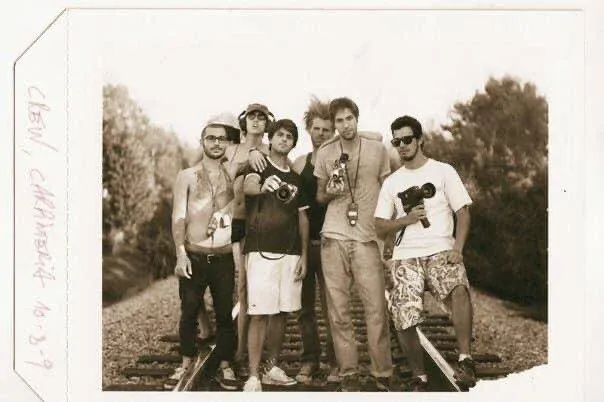
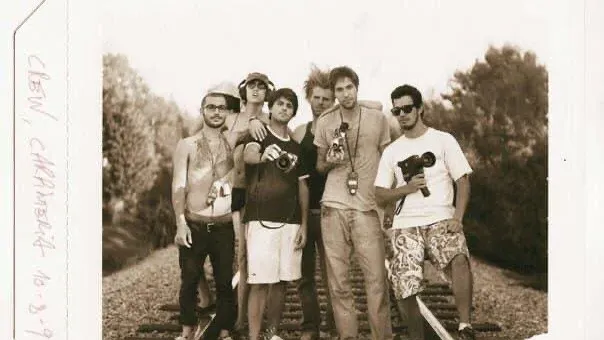
A polaroid from 2009 with the crew of friends, during a shoot in Carpinteria, California.
My first paid job was in September 2008. Although I was still in university, that moment marks the beginning of my journey as a videomaker. From there, the journey has been long and rich: from California to Texas, working alongside figures like Richard Linklater on “Boyhood.” Then, returning to Pordenone, where I built my production house, with which I’ve worked for many brands, including Alfa Romeo, Maserati, Leroy Merlin, The North Face, Diadora, and others.
Here are some things I’ve learned that I want to share:
1. Overcome Impostor Syndrome
This syndrome is that fear of being discovered as inadequate and exposed by those who hire us. A little secret: impostors don’t suffer from impostor syndrome. It’s normal to doubt your abilities and feel anxious, but don’t let this hold you back from accepting complex jobs and new challenges. If you never doubt yourself, perhaps it’s time to start.
2. Think Like a Businessman and Learn to Negotiate
We creatives tend to undervalue our work, asking for fees that are too low. This attitude gets exploited by clients. Who hasn’t heard: “but you’re having fun, you’re not working”? This damages both us and the entire market. Let’s learn to ask for what’s fair: start by talking with your accountant to establish common practices and calculate your monthly expenses, the weight of taxes, supplementary pension, your lifestyle habits. This will give you an hourly cost for your time, to be multiplied by two, because for every hour of work we lose another looking for new opportunities.
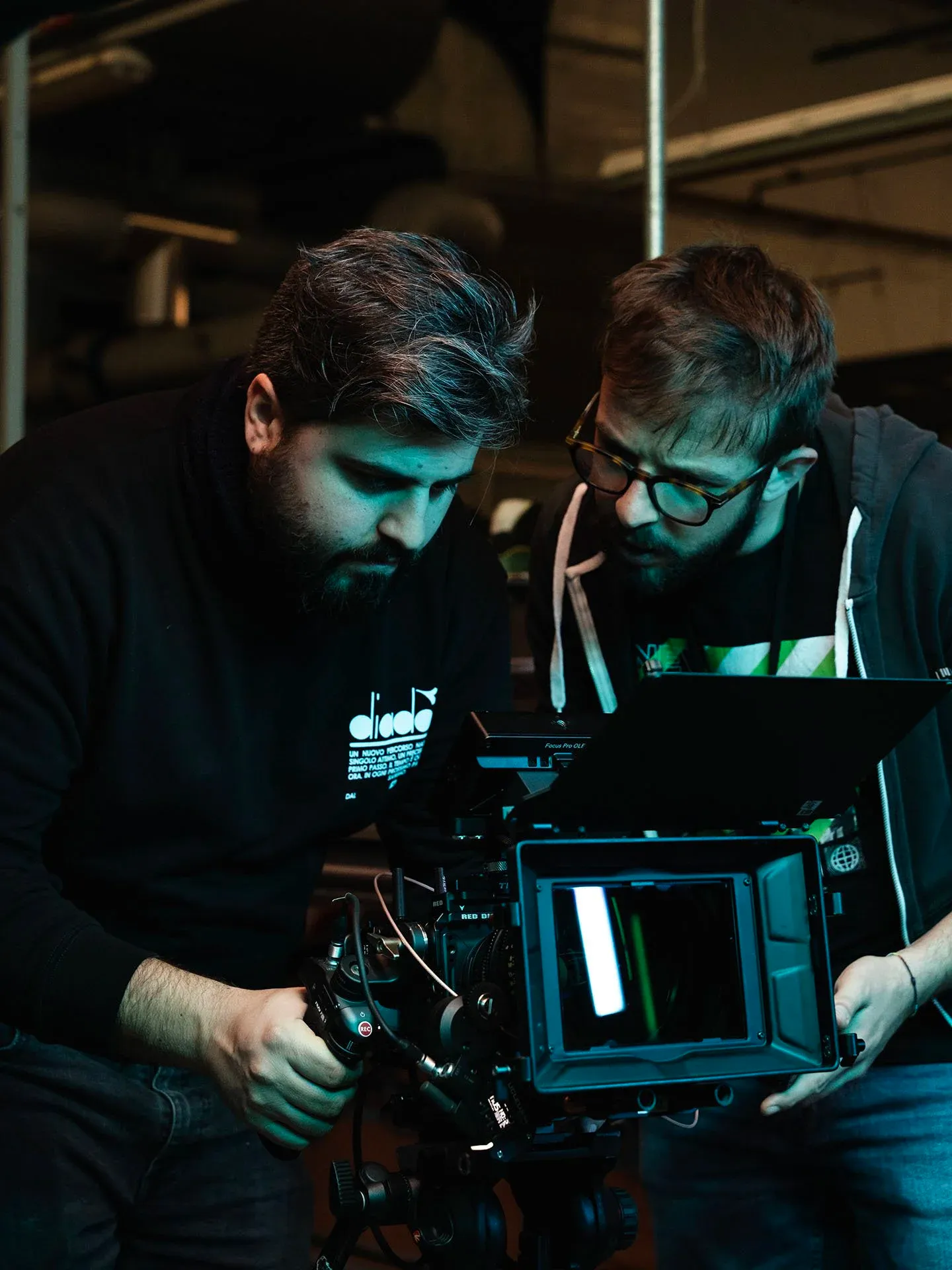
On the set of the “Run Valley” commercial for Diadora, 2023
3. Invest in People, Not Equipment
It’s not possible to learn to do everything or buy every tool. Focus on what you do well and delegate the rest. Collaborators can bring new perspectives and free up time for other projects. As for equipment, it’s useful to have a basic kit you’re comfortable with, but for the rest there are rentals, which offer equipment that’s always up to date.
4. Push Your Current Equipment to Its Limits Before Upgrading
From experience, when you change cameras it takes about a year to understand how it works, and two or three years to make the most of it. When you’ve fully exploited your current setup and it can’t offer you anything more, then it’s time to upgrade. The signal? For me it’s nausea: when a type of image starts to literally make me nauseous, I move on to the new one.
5. Keep Your Set Lean and Functional
On large sets, roles are extremely specialized and many of these can be useless on medium-sized projects. When you’re starting out, avoid filling these roles if they’re not needed. Carefully evaluate what you really need and only call the minimum essential crew. Having inactive people on set is counterproductive: they slow down production and, if they get bored, they distract those who are actually working. Remember: 90% of jobs can be done with four people: a director, a DOP, a sound technician, and a grip/gaffer.
6. Create Your Own Ambitious Projects
No one will ever ask you for work more ambitious than what you’ve already done. We often wait for the big opportunity to arrive, hoping someone will propose a project bigger than those already completed. But this rarely happens, because companies tend to avoid risks. If you want to raise your level, you need to take the initiative yourself, creating ambitious projects. Client requests will come, but they’ll generally be less complex than those you’ve already tackled. Essentially, do excellent work so you can then do good work… for pay.
An example in my portfolio is ‘The Iso Rivolta Chronicles’, a documentary that engaged me for 2 years and required a considerable investment of money and time in research and organization. This work, however, then opened the doors of Fiat-Chrysler for me and marked the beginning of a long career in the automotive sector.

At the International Motor Film Awards 2018 in London after winning Best Documentary
7. Know Your Audience
Every videomaker has their own sensibility, their own style and, inevitably, their own limitations. Instead of trying to emulate others’ styles or chase current trends, focus your efforts on highlighting your personal approach and identifying who can appreciate it most. Take my case as an example: the videos I produce have been aimed at a specific demographic for almost 10 years, with an audience composed of 94% to 97% males over 30 years old. This is the demographic that appreciates my taste and approach. This becomes a strength for me, since I’m able to communicate effectively with this market segment, which turns out to be of great interest to many brands, including automobiles, luxury items, alcoholic beverages, and so on.
8. Teach Others to Clarify Your Ideas and Improve
When you’ve accumulated sufficient experience, start teaching. This helps you clarify your ideas and look at your work with a critical eye. Questions you can’t answer can become sources of new information and perspectives. In our profession there’s too much secrecy and suspicion. Opening up and sharing your knowledge does more good than harm.
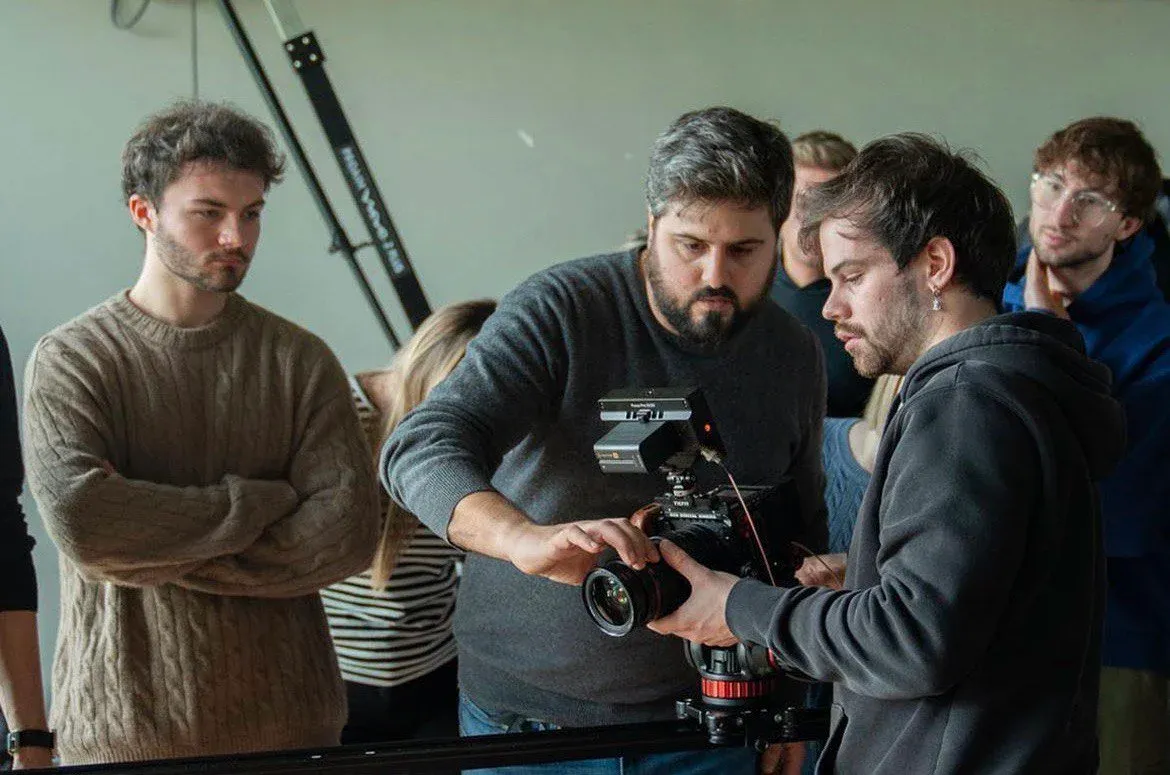
During the videomaking course at the M8 Master’s program at HFarm College