The difference between traditional advertising and branded content isn’t about budget or technical quality. It’s about purpose.
Traditional advertising has a single goal: to sell the product. Branded content turns that logic around. Its main goal is to create something interesting that draws an audience in organically. The sponsorship is secondary, almost a natural by-product of the interest the content has built in the viewer.
The principle is simple: content first, sales second.
Why it costs more
Branded content demands two investments that traditional advertising doesn’t.
The first is time. This isn’t a 30-second spot that runs in rotation for three months. It’s about building a continuous presence, a programme that gathers an audience over time. It’s a long-term commitment.
The second is the team. Content that lives on its own takes complex storytelling. You need authors and screenwriters, people that corporate productions still struggle to make room for, but who are indispensable. A good director of photography and a fast editor are no longer enough: you need someone who can build a narrative structure that creates interest and anticipation.
Where it works (and where it doesn’t)
There are plenty of channels for branded content. On television there are sponsored series like SOS Chirurgia, which I directed back in 2020. But the most interesting territory today is YouTube, and it’s where I try to push clients to invest seriously.
Small businesses — craftspeople, shops, local companies — are having tremendous success on the platform. The reason is simple: they have no rigid corporate structure, so they face fewer limits and fewer taboos imposed by brand guidelines. They can be freer and more authentic.
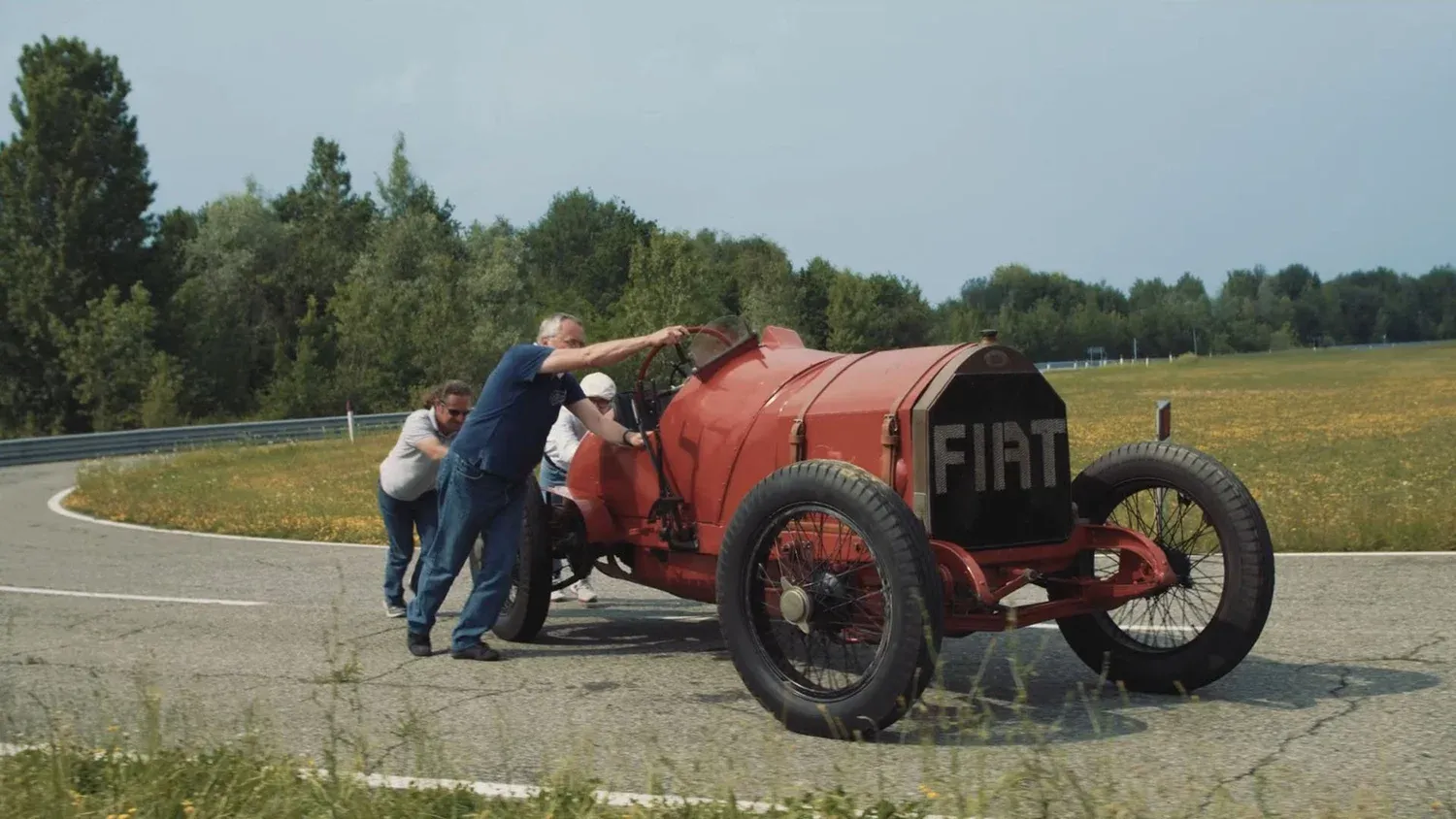
Large companies, on the other hand, quickly run into their own limits. Brand culture is more developed in big organisations and often forces compromises that stop branded content from being effective. There are exceptions, of course. Fiat, for example, in the early days of its Heritage department, let me produce short documentaries with wide public appeal and gave me complete creative freedom. But many other companies stop a yard short of the finish line: they try, they invest, but they don’t grasp the subtle difference between storytelling that is organically engaging and storytelling that is forced. The result is expensive projects without an audience, which are quickly abandoned.
When you make branded content, you have to be honest. In two ways.
The first is to flag the advertising message clearly, and to place it so that it’s easy to skip. Viewers should know when you’re selling them something.
The second is subtler and trickier: if the story touches on the company’s shadows as well as its lights, you have to deal with them honestly. You can’t fool the viewer. Audiences smell a lie right away, and rightly choose to watch something else — the range of content available is practically limitless.
These two limits — the fear of being upfront about the commercial message and the fear of showing the less flattering sides — are what most often stall productions and make them irrelevant.
Why invest now
Branded content won’t completely replace traditional advertising. But in a world where AI will make short spots incredibly cheap, we’ll be swamped by an enormous volume of advertising, and every single spot will matter less and less.
Branded content, by contrast, takes experience, sensitivity and storytelling skills that are beyond the reach of artificial intelligence (for now, at least). It also takes a dedication to television and documentary production that is typically human and will never be replaced.
Now is the right time to start, while this kind of production is still in its early days. In the future it will mark the difference between the companies that stayed successful and the ones that were buried by the competition.
Value over time
There’s one last element that justifies the higher investment: shelf life.
Interesting content lives a very long time, and it gets better with age. The documentaries that IRI made in the 1950s and ’60s matter more today than they did then, because they capture the Italian industrial landscape of that era. They’ve become valuable historical records.
The same will be true of the branded content we make today. Good content doesn’t die after a three-month campaign. It keeps working for the brand for years.