Why Old, Cheap Lenses Often Outperform Modern Glass for Creative Video Work
I’ve been shooting video professionally since 2008, and since then I’ve used a wide variety of technologies and gear. Some I liked, some less. But lenses have always been a weak point. For most of my career, they were hard to come by here in the northern part of Italy, where I live. And although I would have loved to use Arris or Cookes, I was mostly stuck with Canon photo lenses and the occasional very old PL kit.
About six or seven years ago, this trend started to change and a lot of great lenses became available, both new ones like the DZO and SIRUI that I’m currently shooting with, and many more expensive sets, from Zeiss to Cooke to Leica. And that’s when I realized that I actually kind of liked my Canon lenses. In fact, the Canon C-NE lens kit is still my favorite, as I really love the feeling of a full-frame image.
The truth is that, after a certain level, modern lenses tend to feel quite similar—and it’s the older, cheaper ones that bring a more interesting look and end up being more useful as a filmmaking tool.
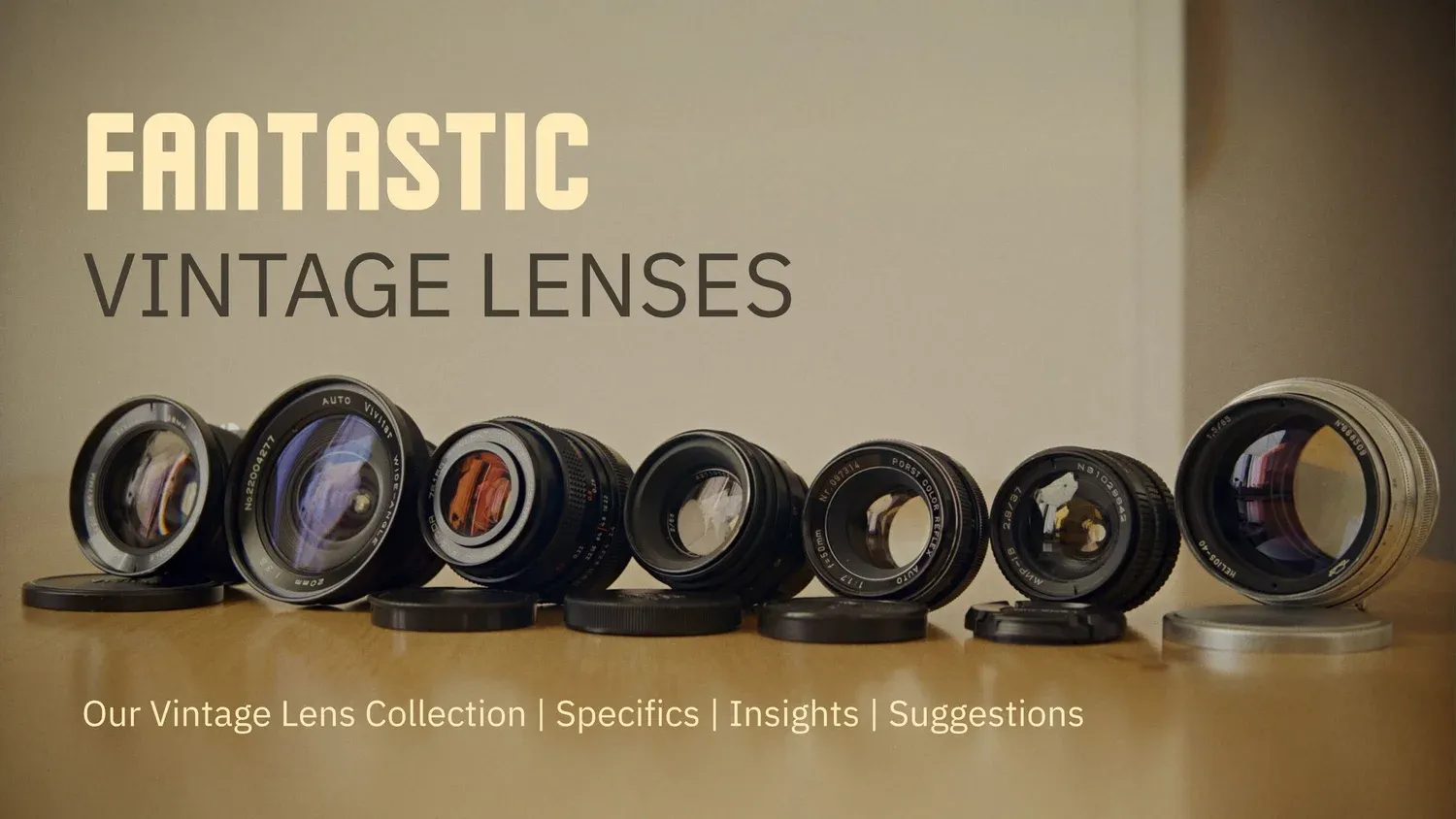
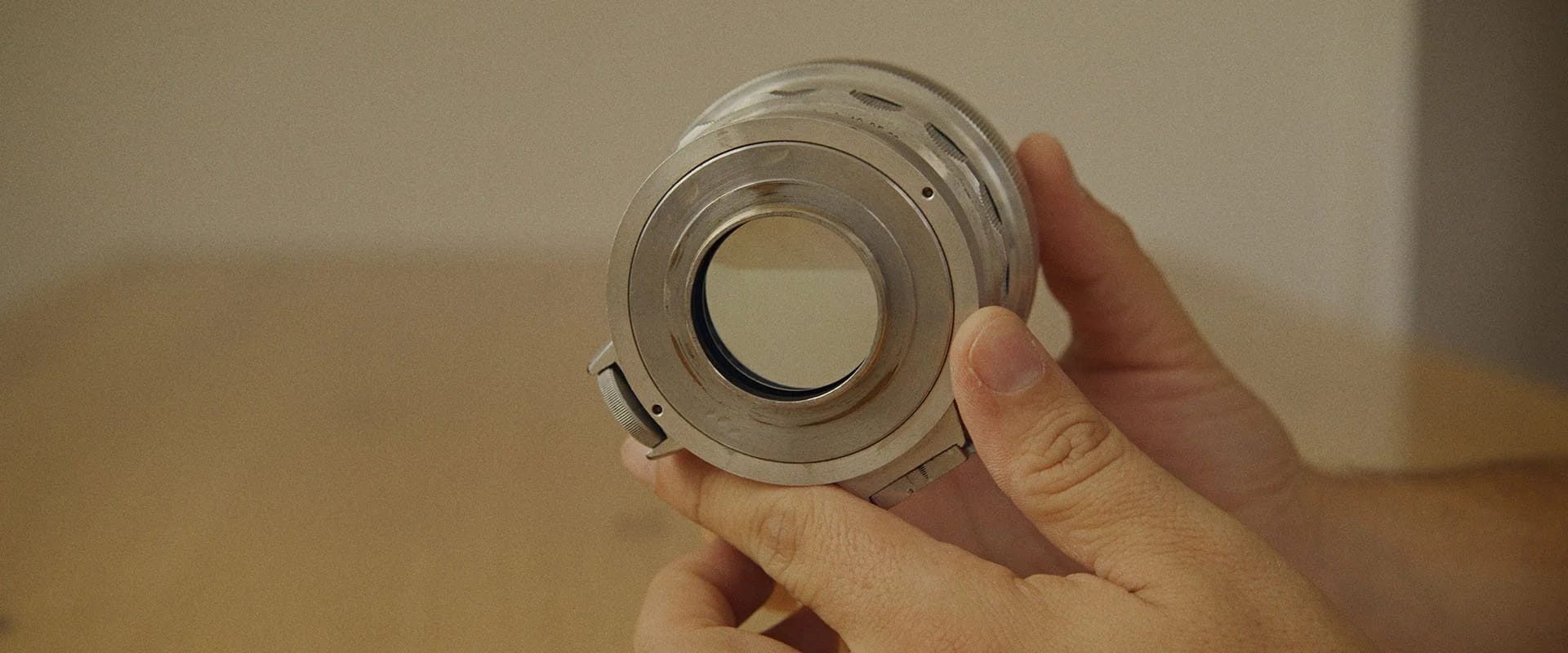
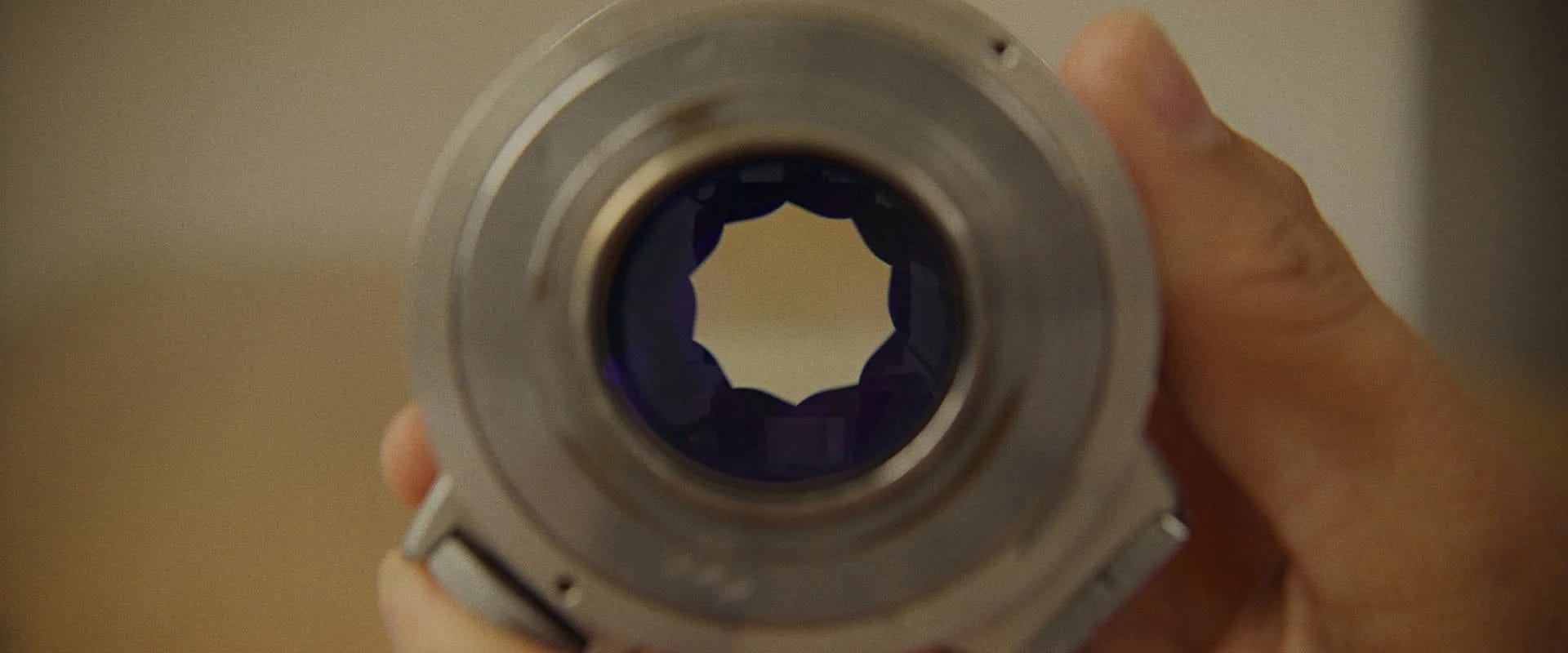
That’s why I started to put together this weird collection of crazy, old, and mostly cheap lenses that I try to pull out and use on any project I’m working on.
All the lenses shown here work with an adapter to the Canon EF mount, which then goes into a Canon Speedbooster that converts the Super 35mm of my Red Komodo X into a full-frame camera.
Just a disclaimer: the images referenced were shot specifically for testing purposes and are not part of commercial work. The clips were developed using the internal Camera RAW in DaVinci, with slight tweaking on exposure only, nothing that changes the feel of each lens.
Below you can see the full video. Otherwise, continue reading on this page.
Carl Zeiss Jena 35mm f/2.4
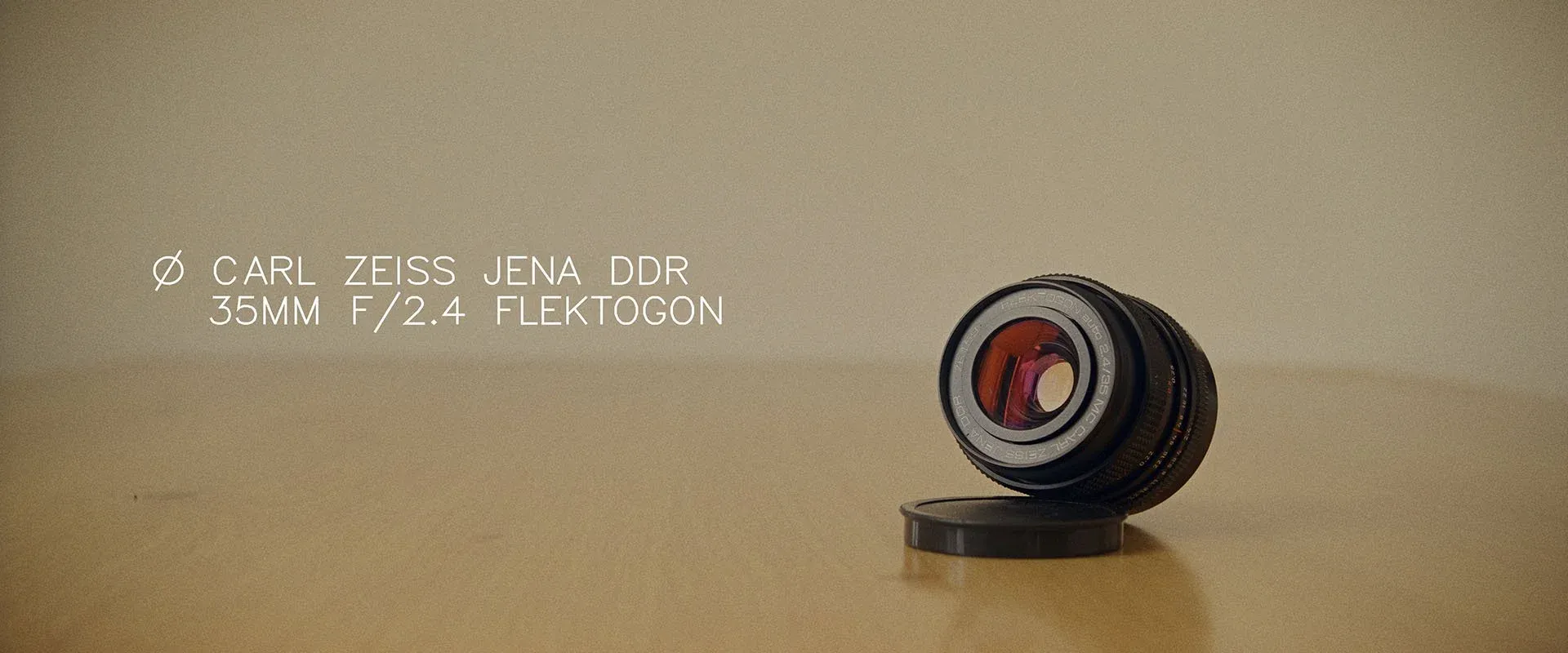
This 35mm f/2.4 was produced by the Carl Zeiss Jena division in Germany during the Cold War. Carl Zeiss was based in the city of Jena, which was in East Germany. After the war, when the Soviets came, the United States Army helped the company relocate part of the production to Stuttgart, which remained in West Germany. The West German branch produced lenses named Opton, while the East German company called them Jena.
The lens uses an M42 mount. The build quality is very high, with a sturdy metal body. The rings still work perfectly, and it’s very satisfying to use.
The lens looks as good as a new one. It’s very sharp and has very pleasing contrast. In fact, it gets used in most work when a light setup is needed. Most people don’t even realize it’s a vintage lens.
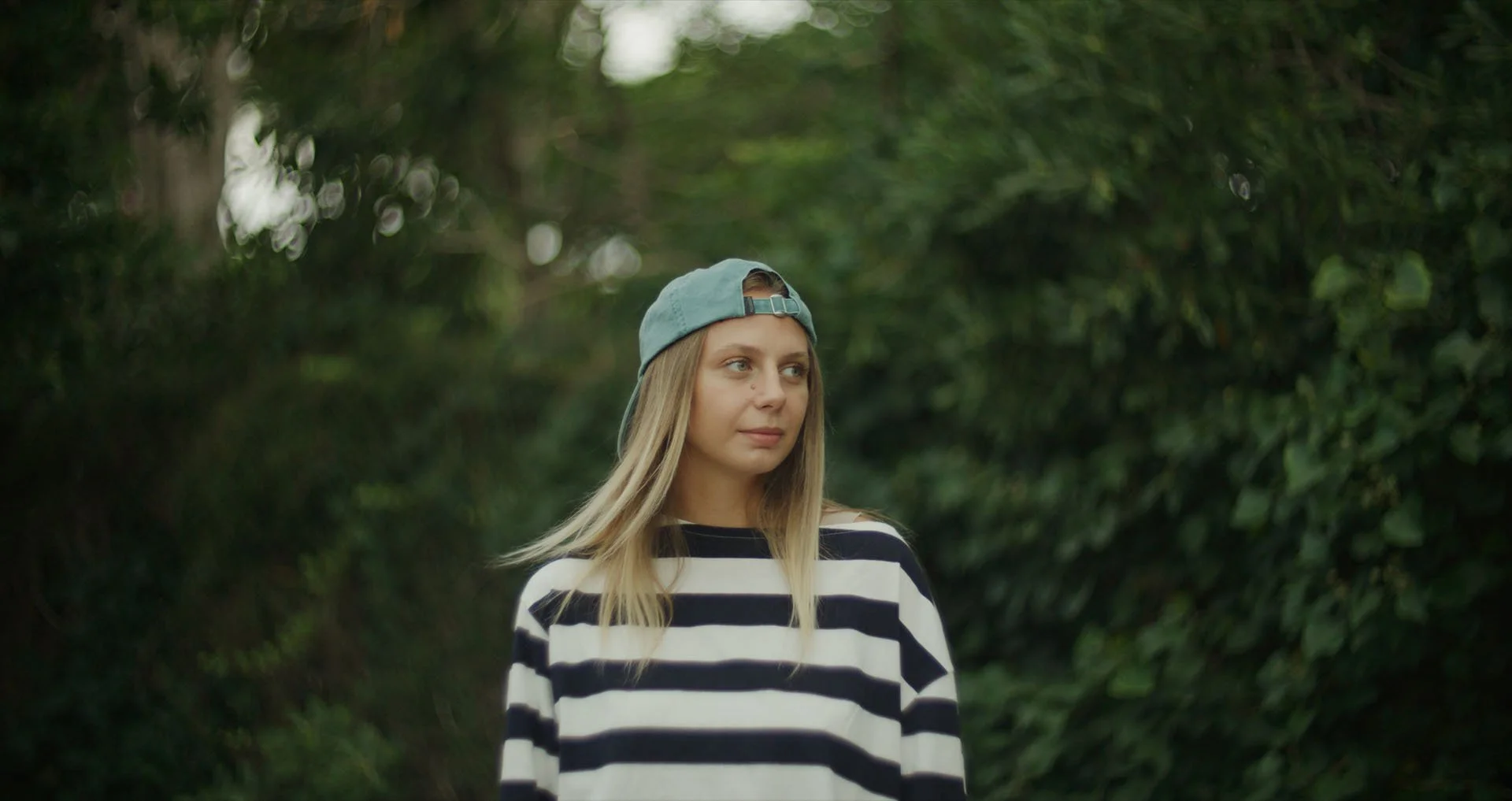
The focus distance is quite close. The bokeh is very soft and nice, with a pronounced hexagonal shape, although not as extreme as in some other cases. It’s not a Petzval lens.
Flares are not too extreme or milky, so it’s quite usable even without a matte box.
Compared to other lenses, the contrast holds up well when shooting directly into the sun, while most other vintage lenses can be quite hard to control.
Prices can vary between around €90 and €200 for well-kept pieces.

MIR 37mm f/2.8
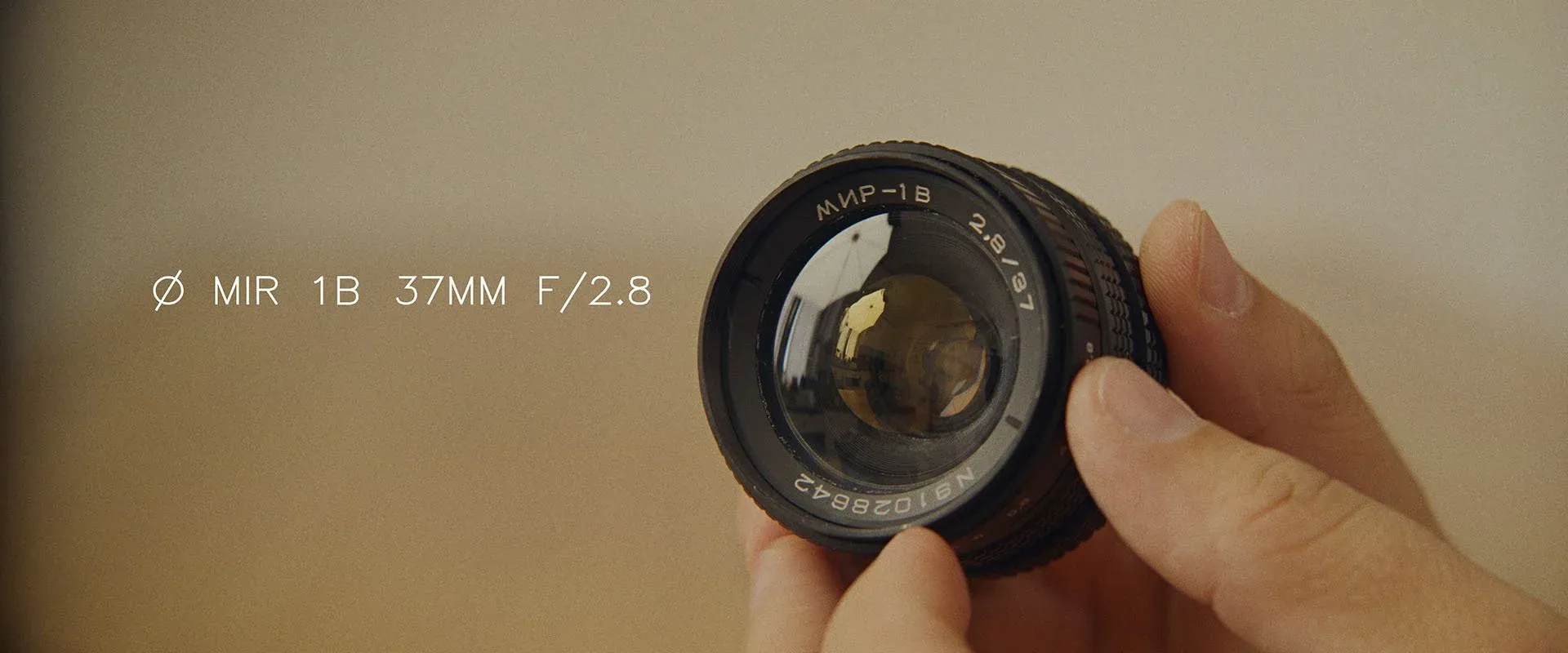
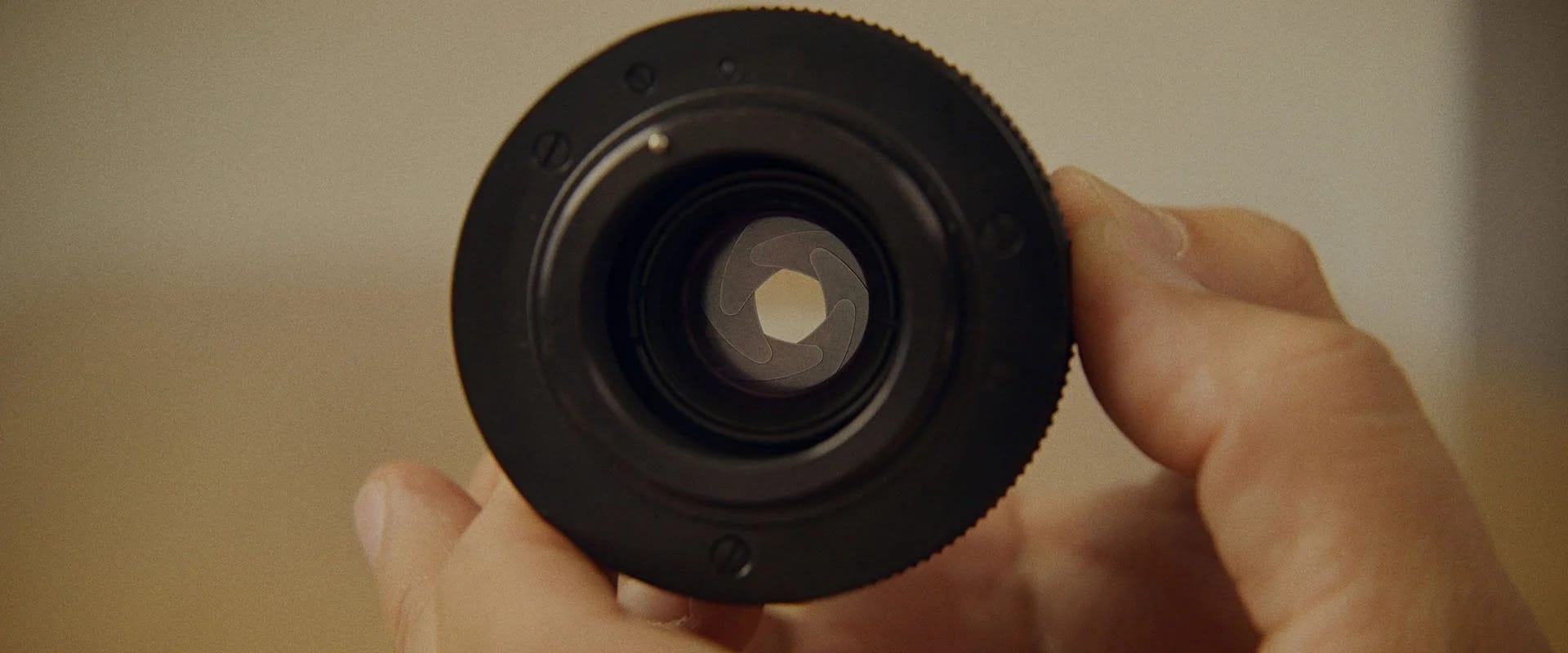
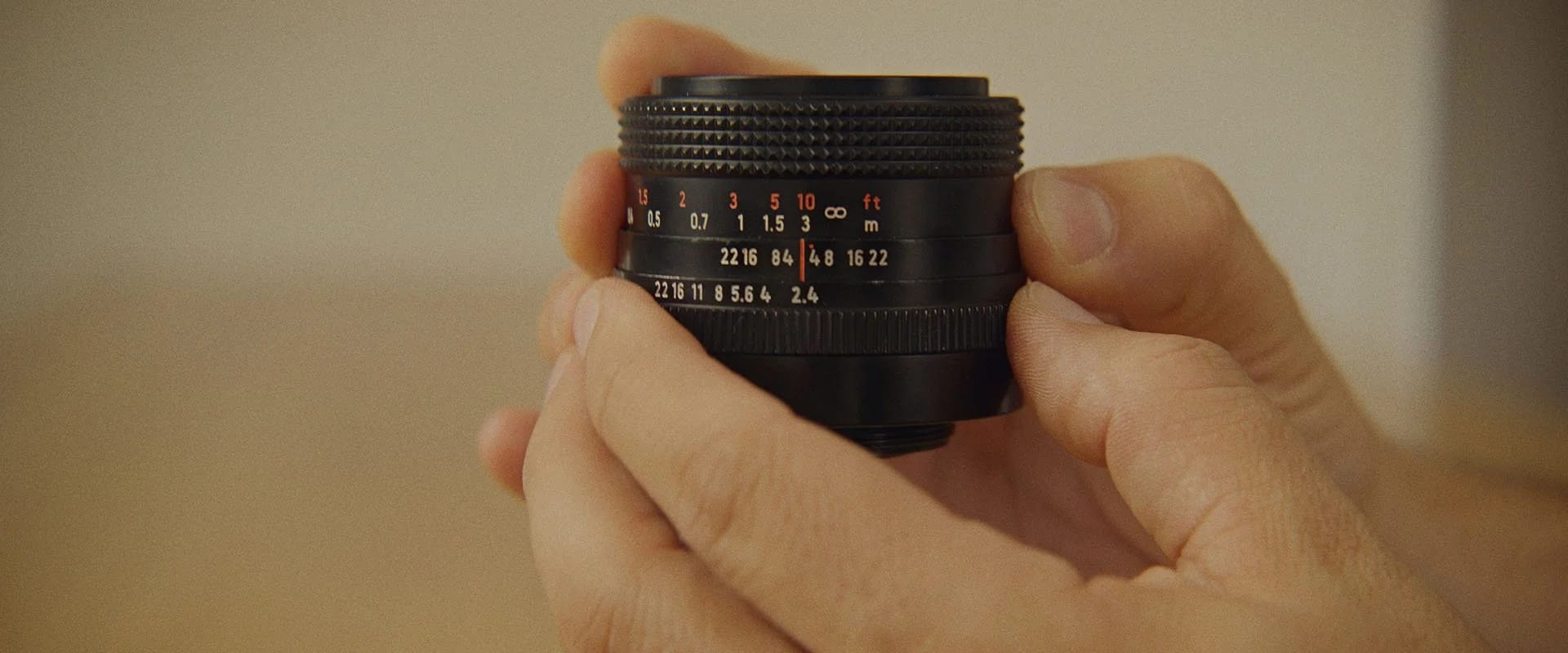
This 37mm f/2.8 lens is a weird one. It is an M42 lens like the Zeiss. It’s a Soviet Union lens, apparently produced by ripping off the Carl Zeiss Flektogon. The lens is very small, and it feels quite cheap and plasticky.
But it’s a Petzval lens, meaning the bokeh has that classic Petzval swirl effect that many people look for in a vintage lens. The effect isn’t as strong as with other lenses because it’s an f/2.8, but it’s manageable. The fact that it’s a 37mm is great, because the wider angle makes it more versatile than, say, a 50mm, like most other swirly lenses.
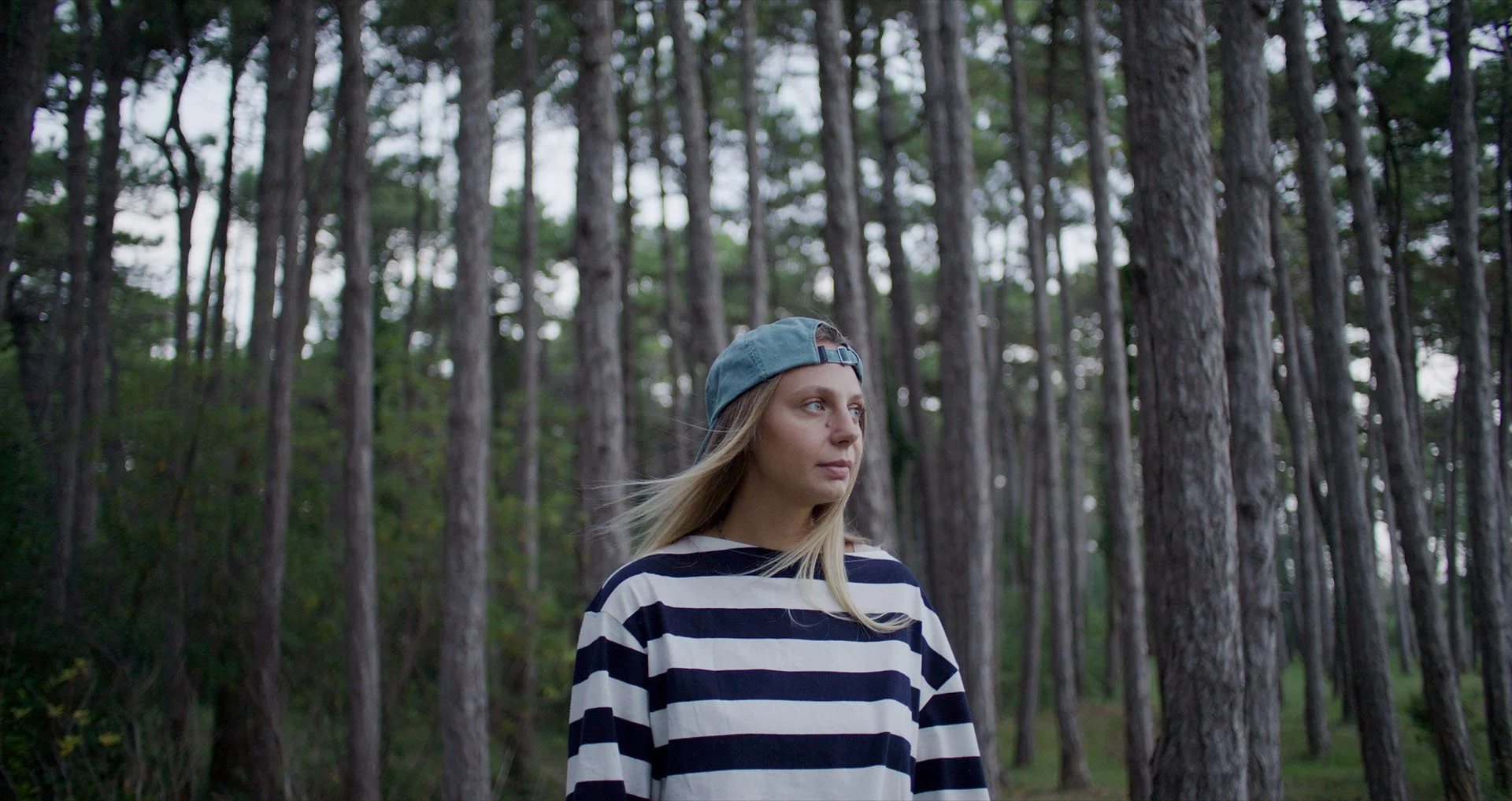
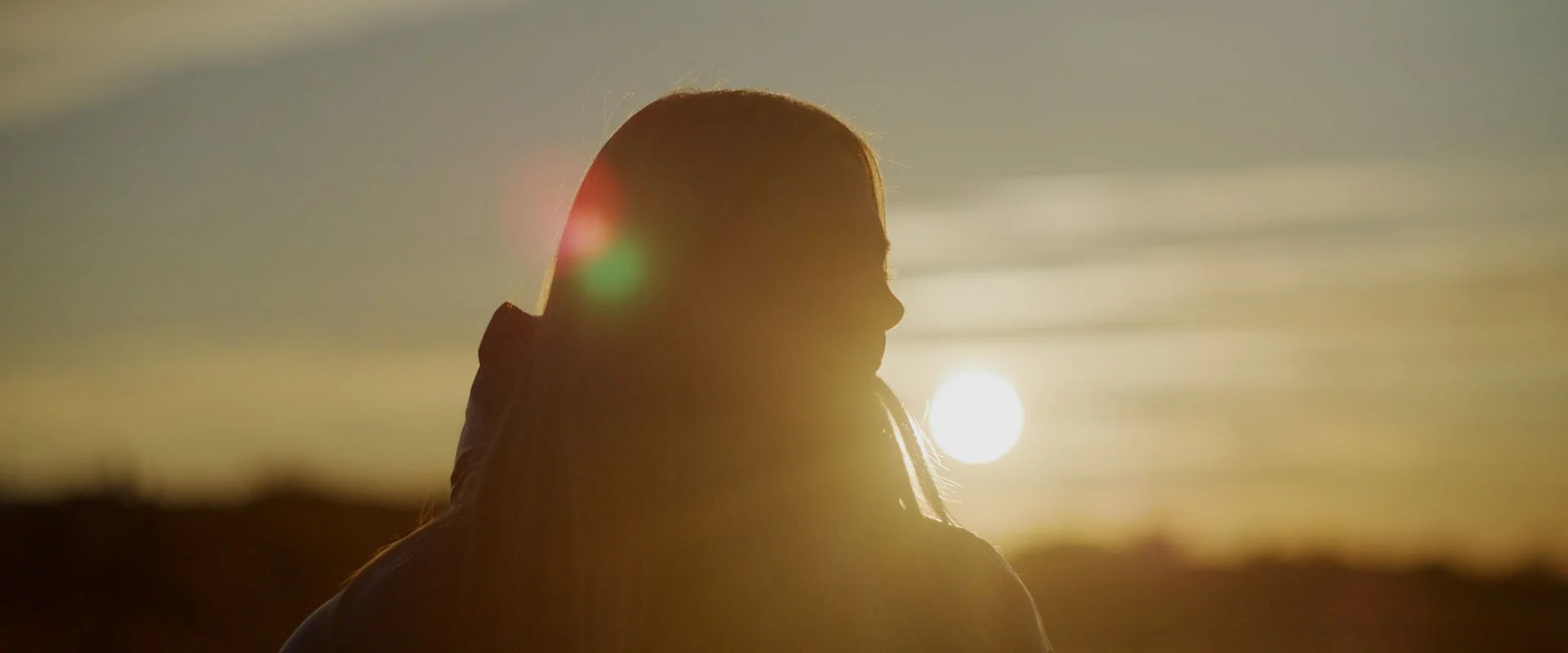
The lens is quite sharp and doesn’t have any weird aberrations. It almost looks like a modern lens. Flares are very articulate and appealing, with beautiful red and green reflections. It works very well with faces, provided you avoid the exact area where the flares land.
The best aspect is the price. Since it’s not very famous, you can find it for quite little, around 80 euros. It definitely competes with the next one on the list.

Helios 44-2 58mm f/2
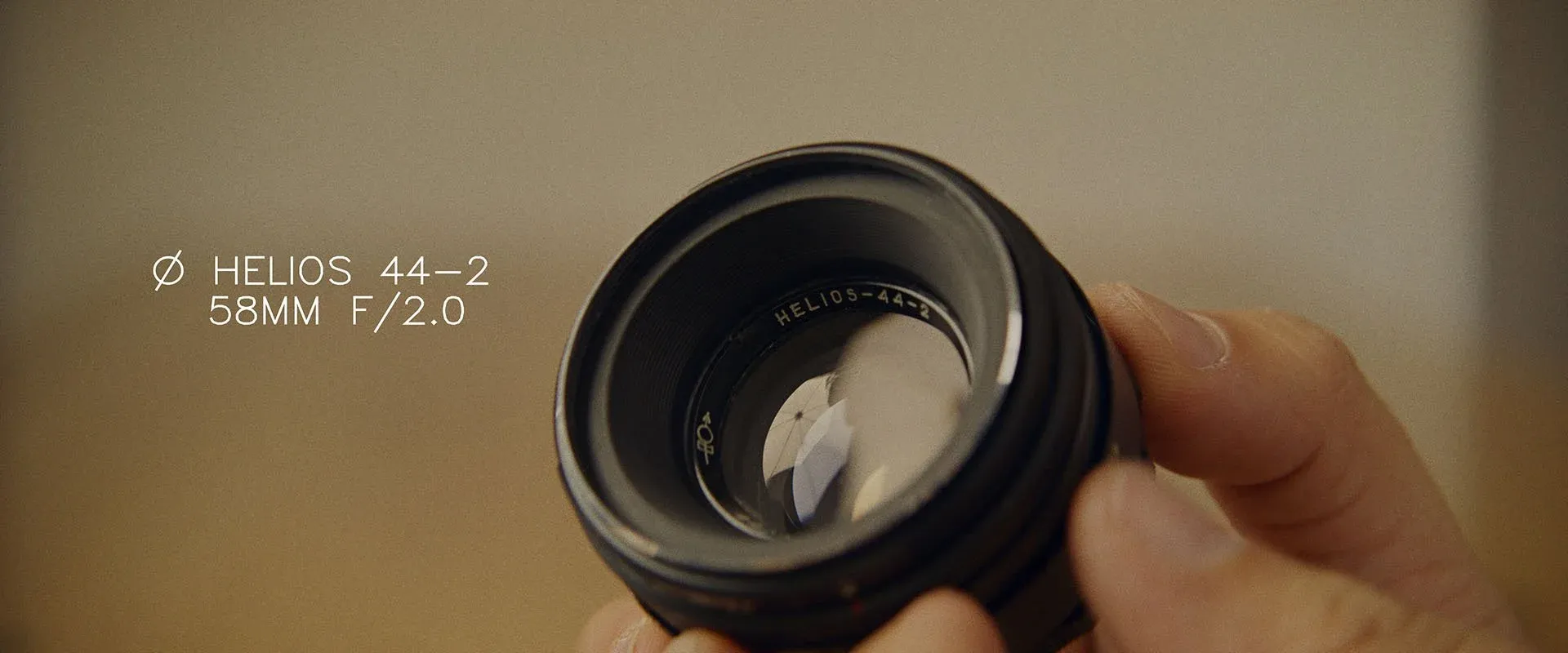
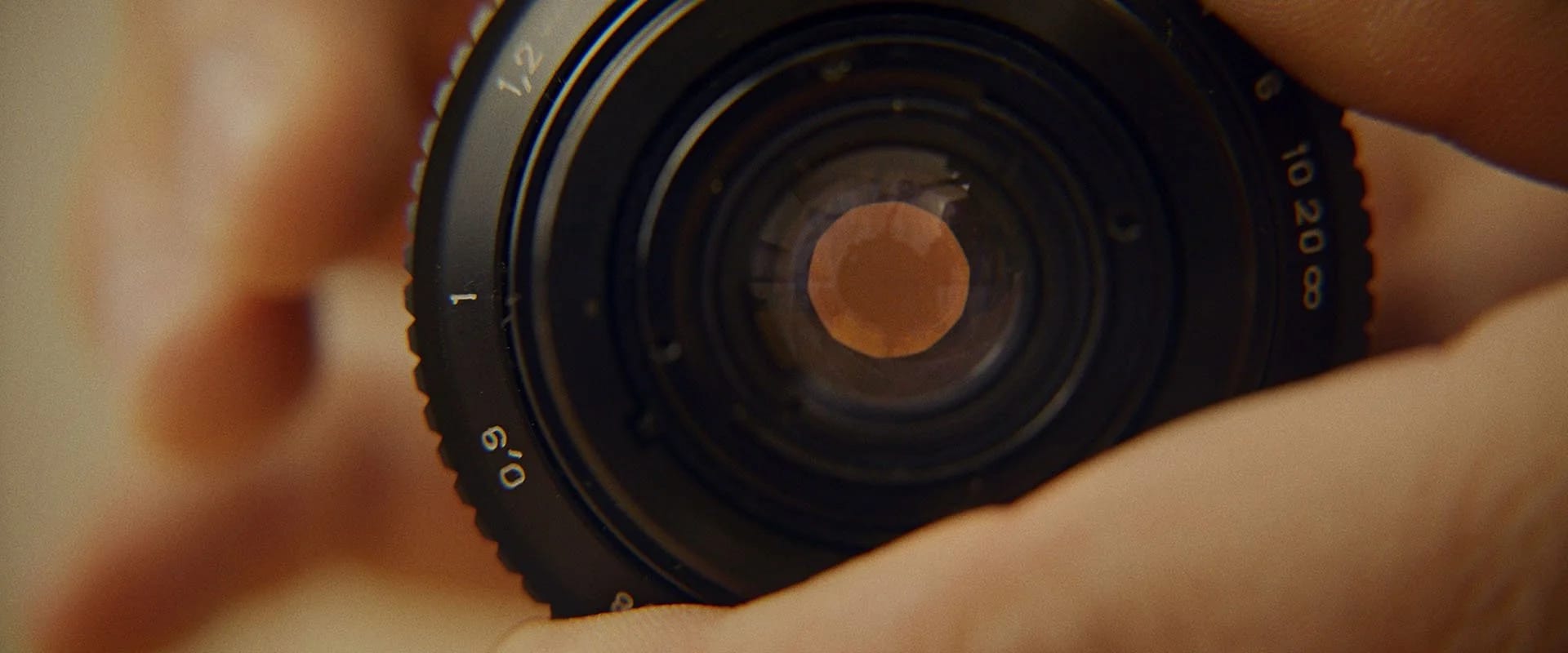
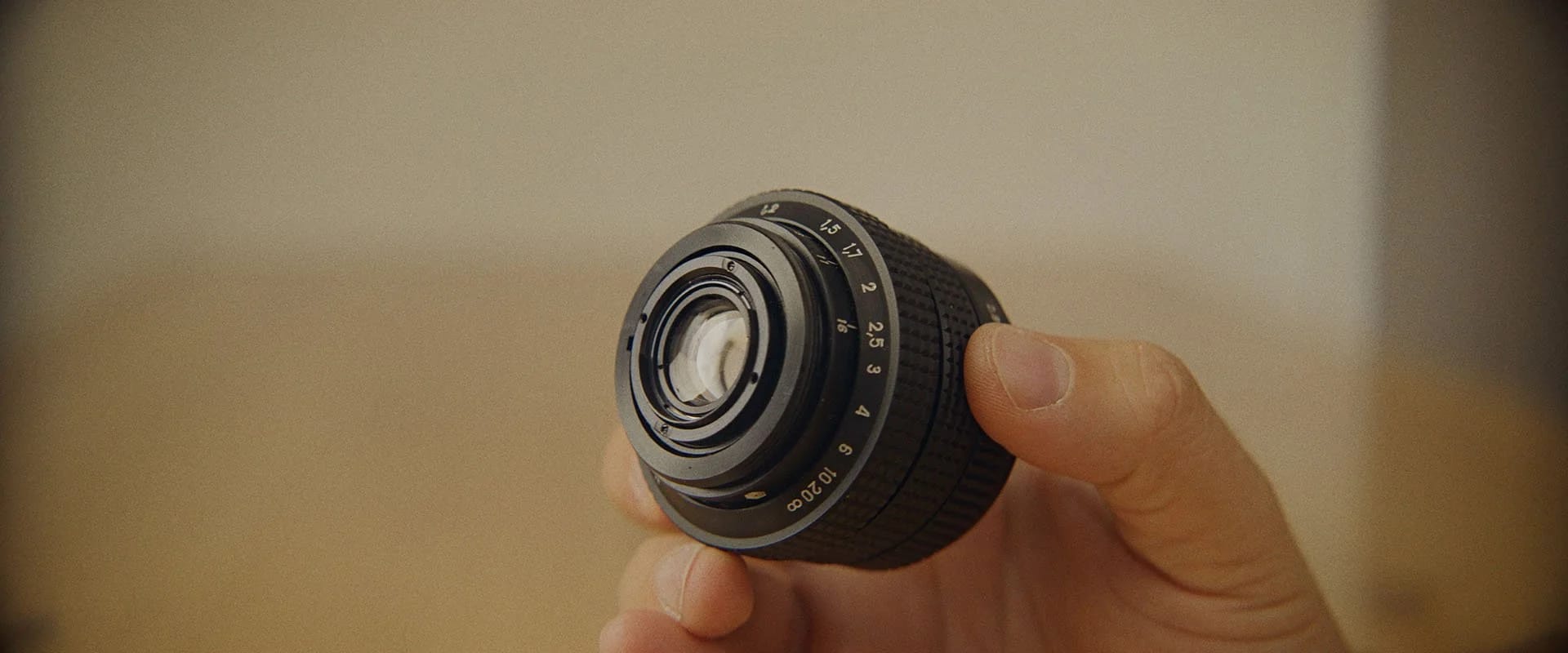
The Helios 44, the most famous and widely used lens on this list. It is known for its incredible swirly bokeh. It’s been used over and over again and has come back into trend, thanks to recent movies like Dune and Poor Things, which used it extensively.
The Helios brand was a Soviet ripoff of the Carl Zeiss Biotar design. It was first produced in 1958 and kept being manufactured, with worse and worse quality, until the end of the Soviet Union.
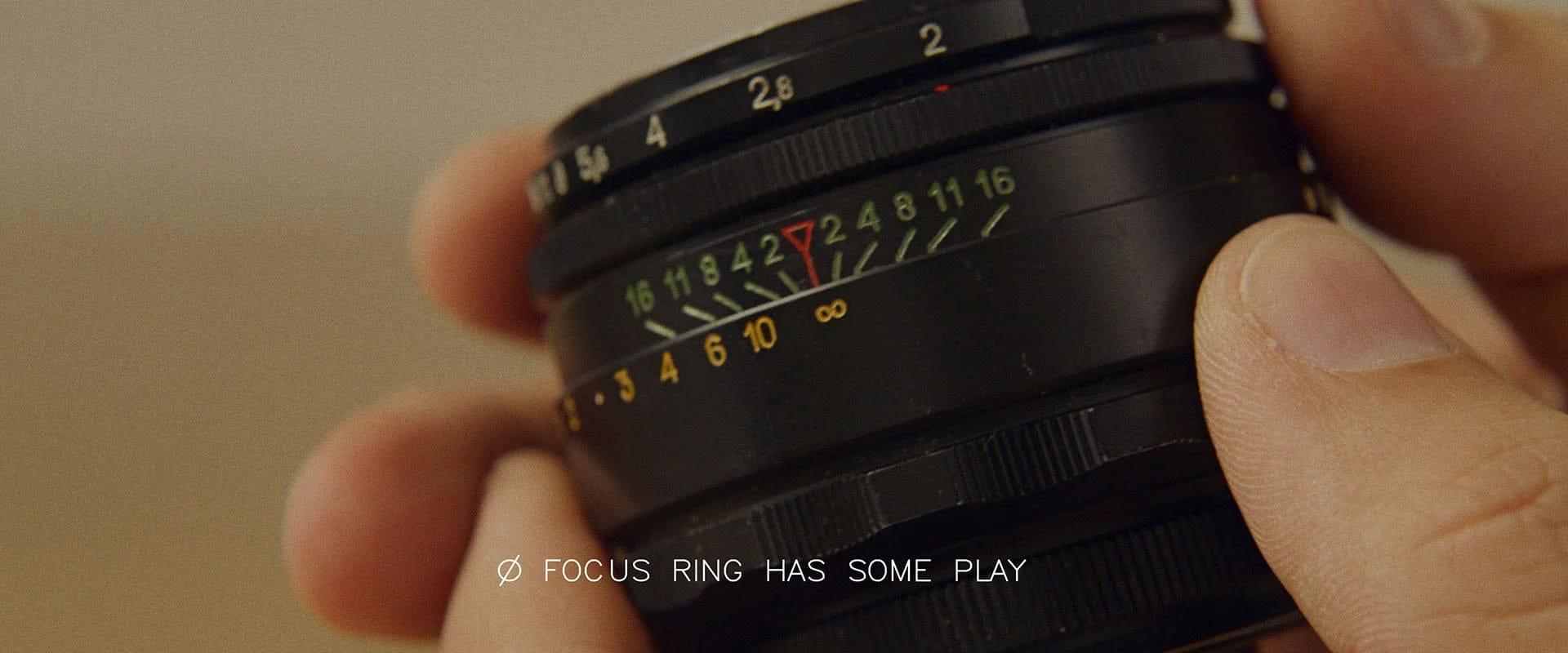
That’s why there are so many Helios lenses out there, and you need to be careful about which version you buy. The later models can be identified by the plasticky casing. The focus has some play, and the back of the lens moves back and forth when you change focus, which is unusual.
Regardless of particular quality variations, it’s famous for a reason. The swirly bokeh is amazing, and combined with its macro focus capabilities, the tighter 58mm view, and the soft focus, it makes for a very expressive image.
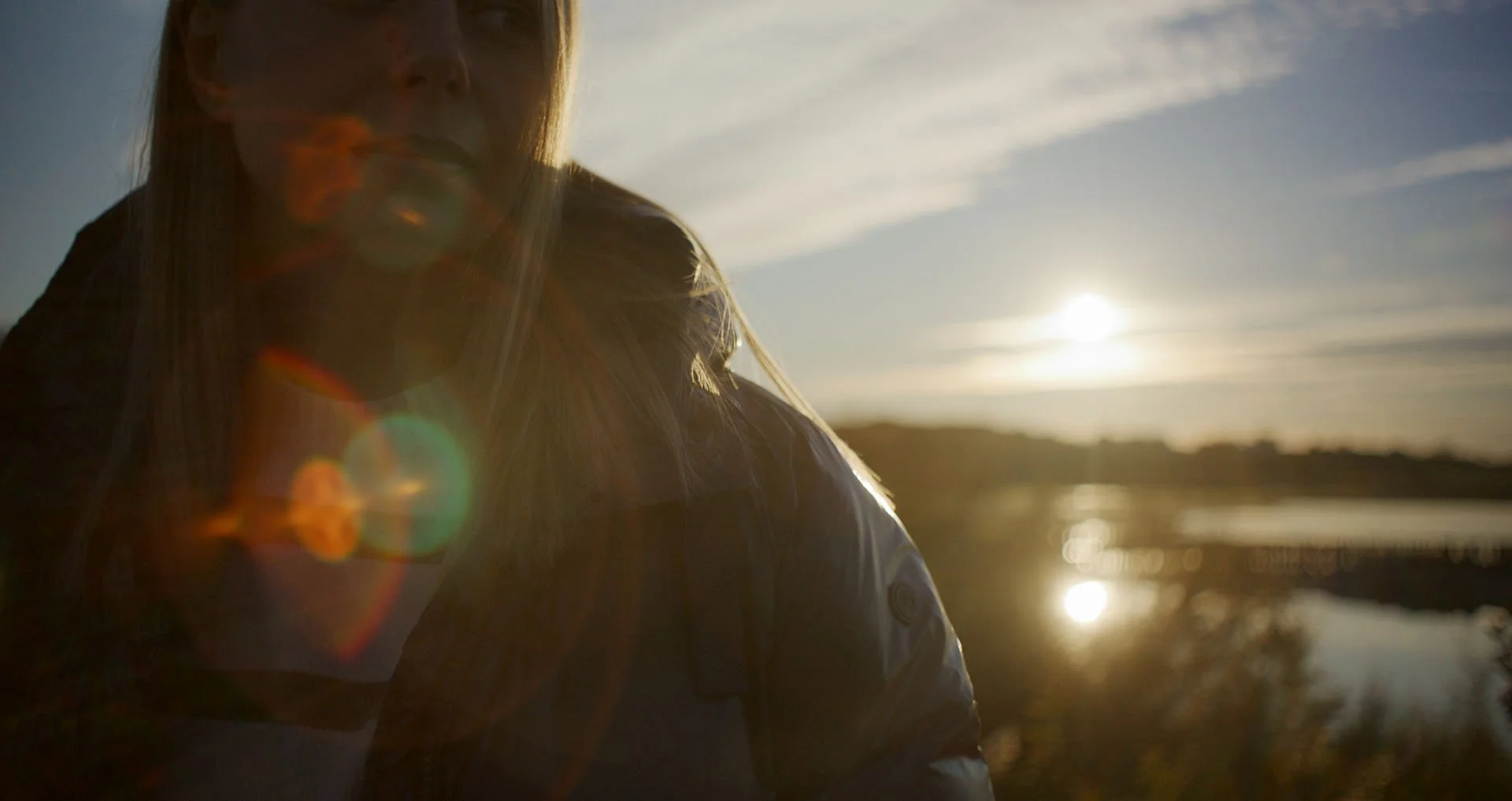
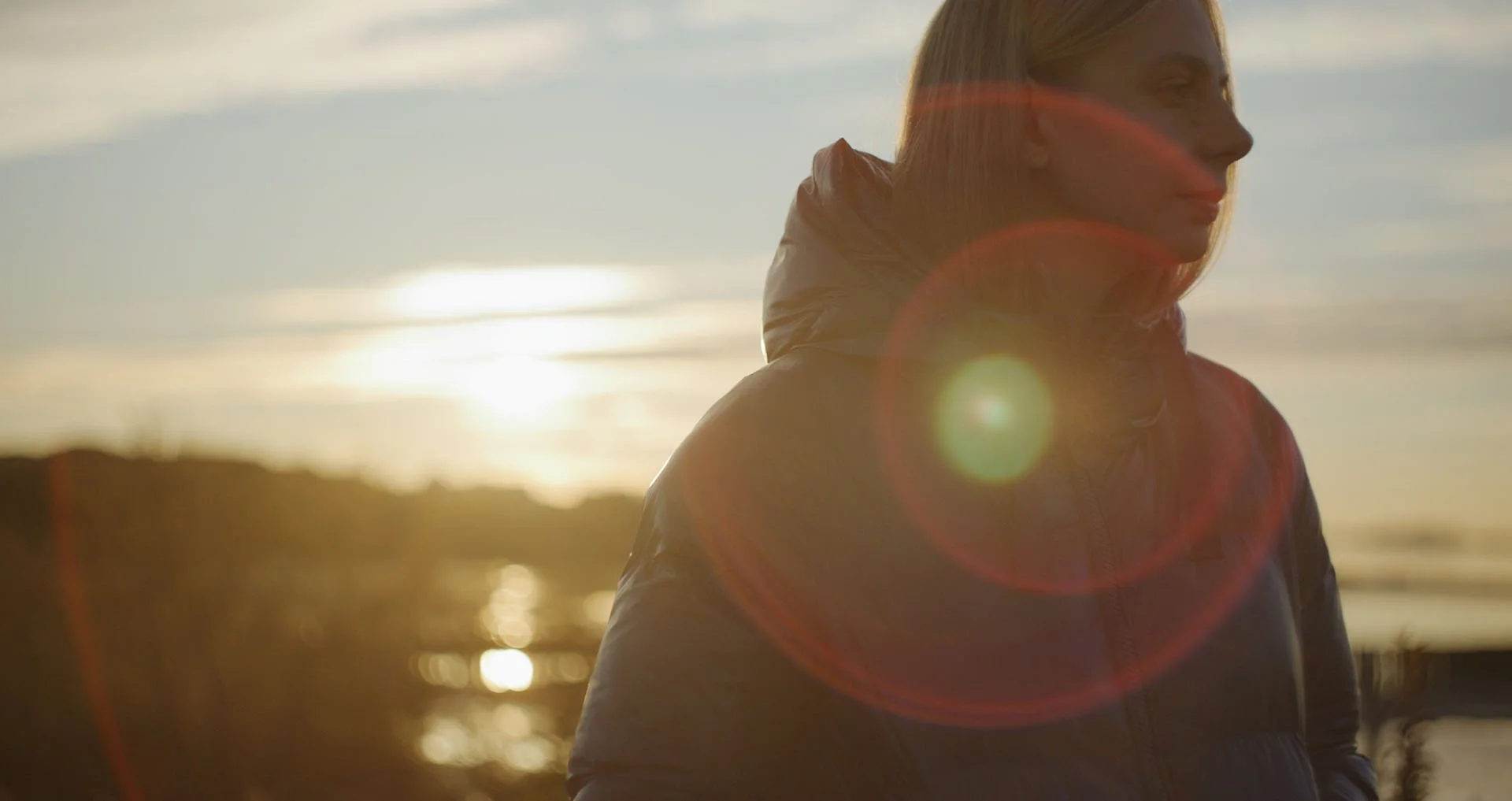
If you shoot indoors, the swirl effect gets a bit lost, but you still get great character. Flares are very easy to catch, and they have a milky quality that can get out of control very quickly. But it’s very pleasing on faces and skin tones. Outdoors, reflections and flares can get really messy, but quite effective if you’re going for that specific style.
At f/2.8, the coating gives a beautiful red reflection.
The grey metal-cased version — the higher-quality, earlier model — is recommended. The lens is getting cheaper these days, and you can find one for about €150. Definitely a great, solid purchase.



Porst 50mm f/1.7
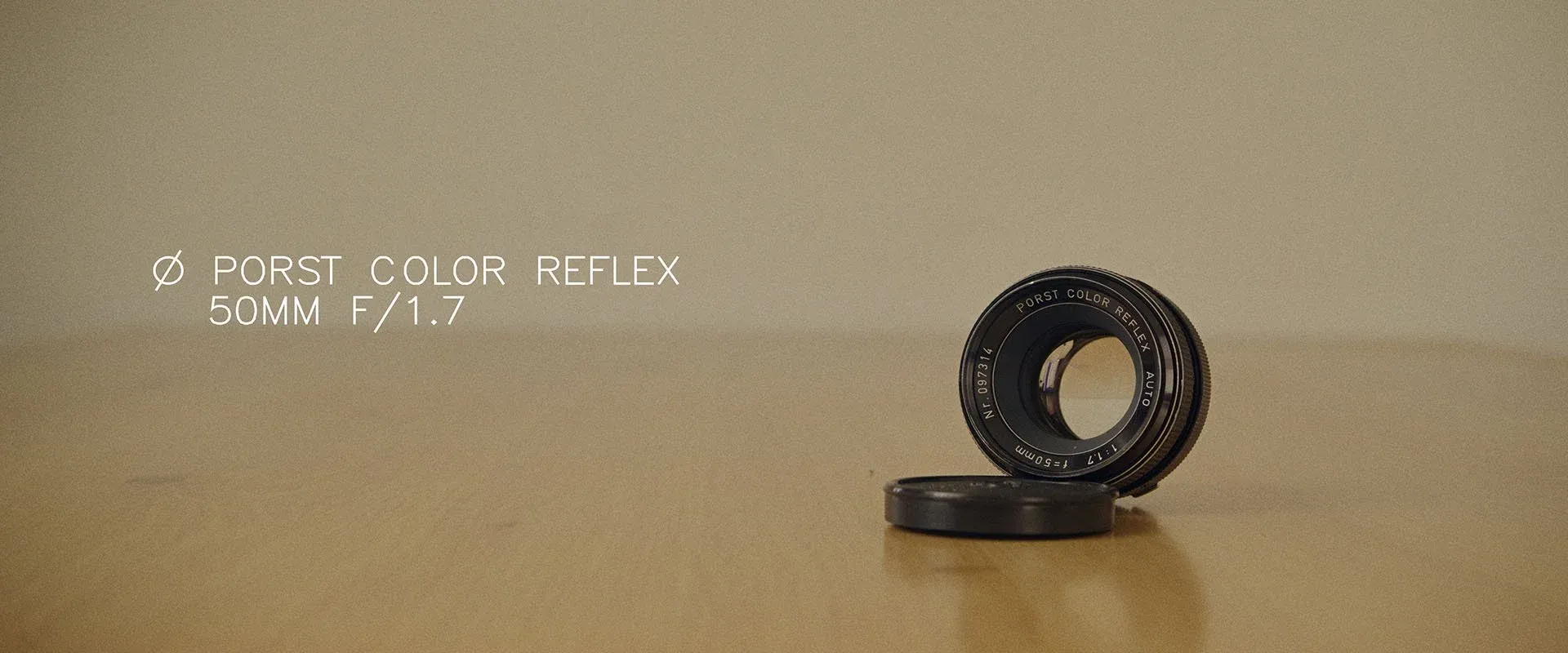
Lastly among the normal swirly lenses, there’s the Porst 50mm f/1.7, another M42 lens, but this time a German one. And you can feel it.
Porst was a German importer and producer of film cameras that housed lenses from many other brands. This one in particular appears to have been made by Enna, a small manufacturer from Munich. The company went bankrupt in 2002, so there isn’t much information about it anymore. But this lens is incredible.
The build quality is much better, with a solid metal casing and very smooth rings, although the lens is clearly older and more used than some other examples I own.
At f/1.7, the bokeh is pronounced, but not too extreme. It’s very pleasing in the center and tends to be less concentrated toward the edges of the image.
The optics are quite sharp up close, although not as much from a distance. The focus range isn’t as extreme as the Helios, and it doesn’t have any noticeable chromatic aberration.
The flare is very manageable and not too milky. It creates a series of soft, warm rings that don’t wash out the image like the Helios does — and it might be the favorite flare among all these lenses.
In this case, the coating gives a cooler, blue reflection.
The Helios is definitely trendier, while the Porst is a quieter version of it—but it’s a very solid and high-quality option that is highly recommended. It’s also a 50mm instead of a 58mm, which is easier to predict for someone used to modern photo lenses. It is definitely brought out more often during shoots.
Best of all, its price is only about €60, making it the cheapest lens on this list.



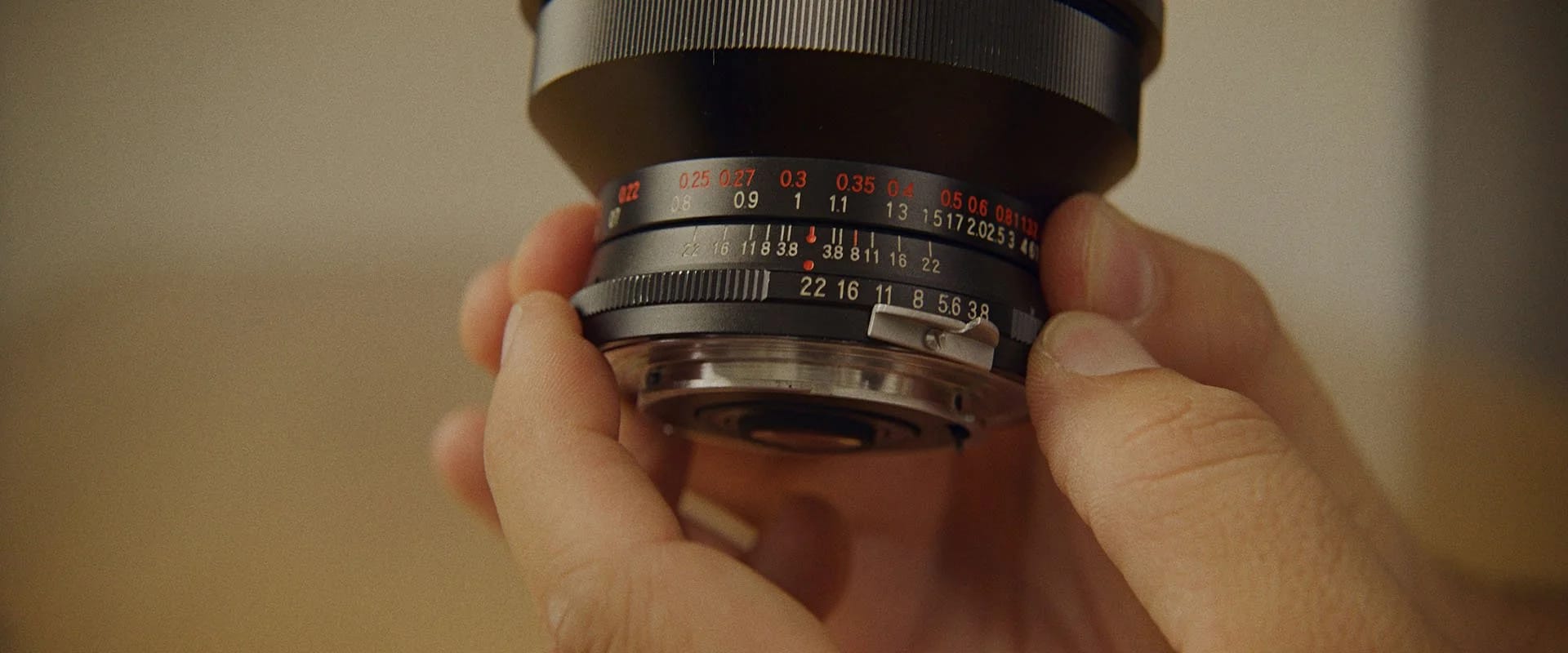
Vivitar 20mm & 28mm
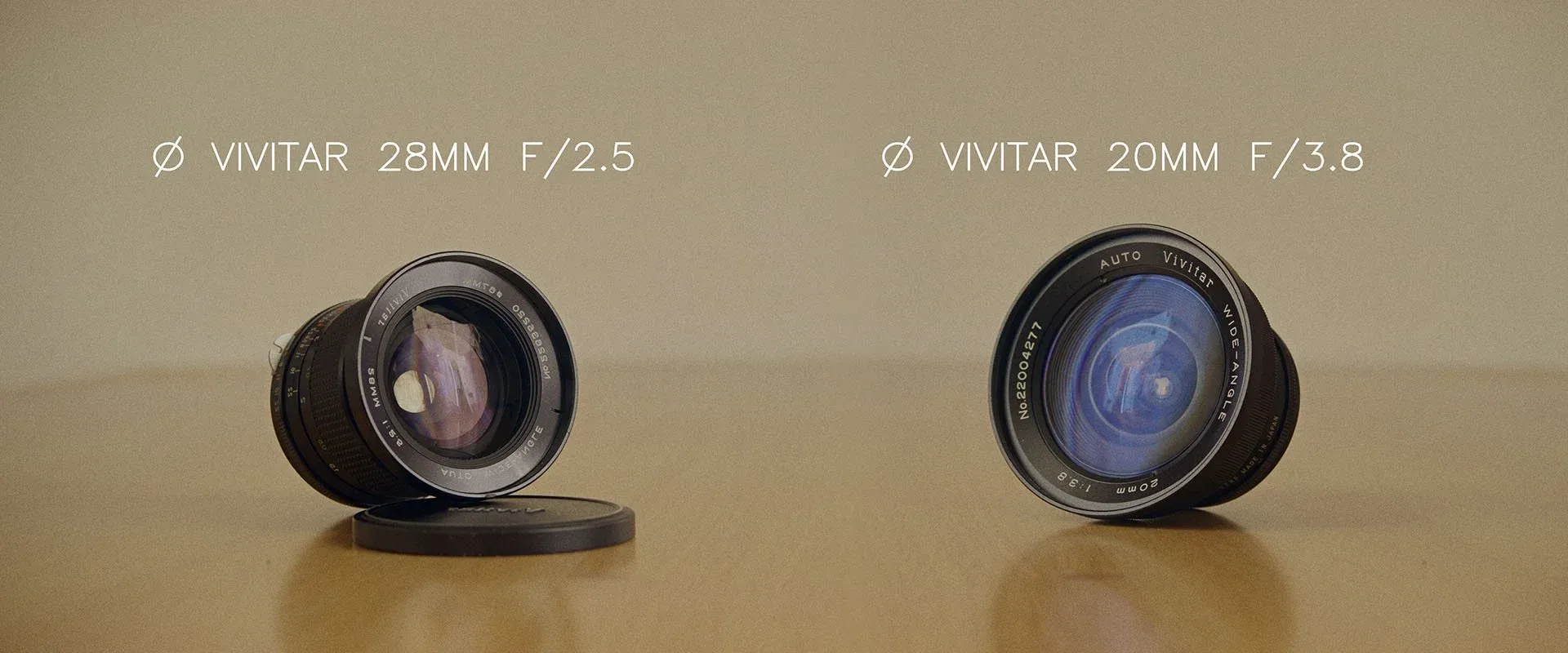
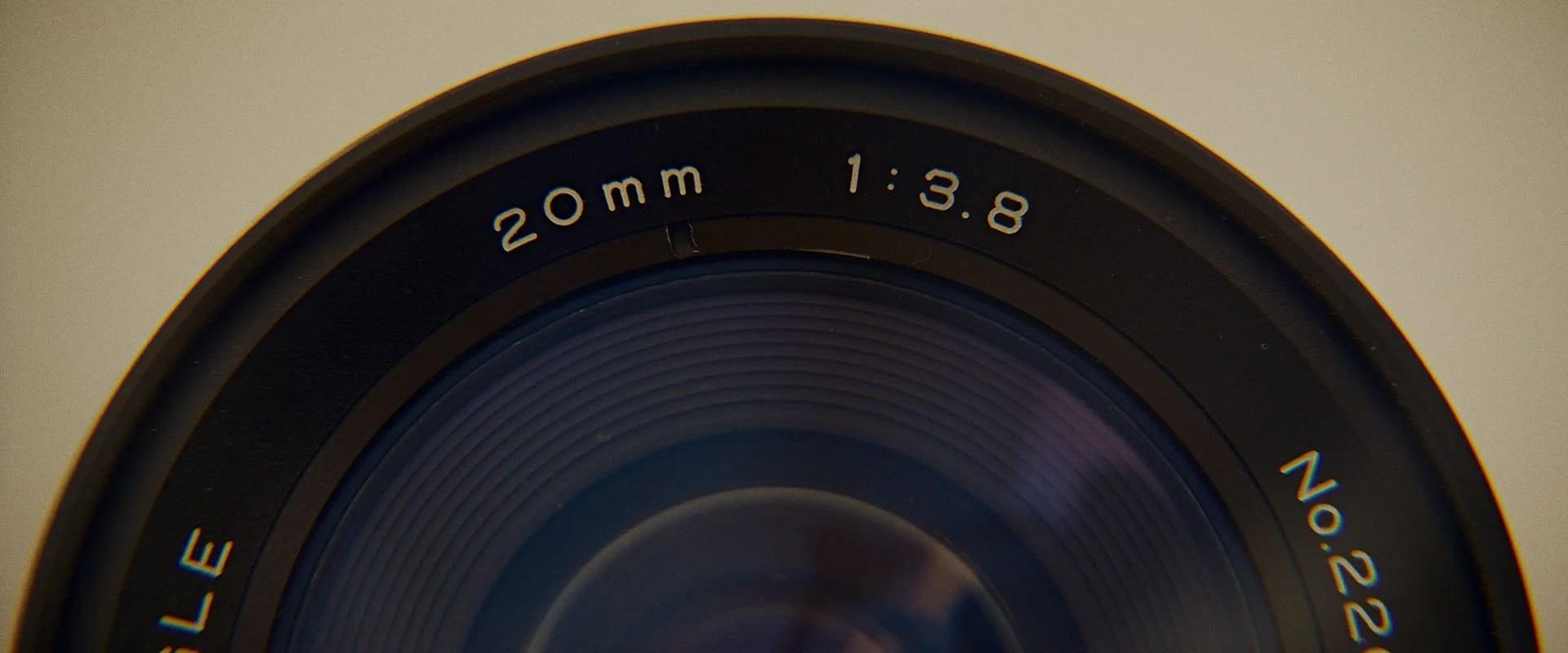
The next ones are two wide angles—the Vivitar 20mm and the 28mm.
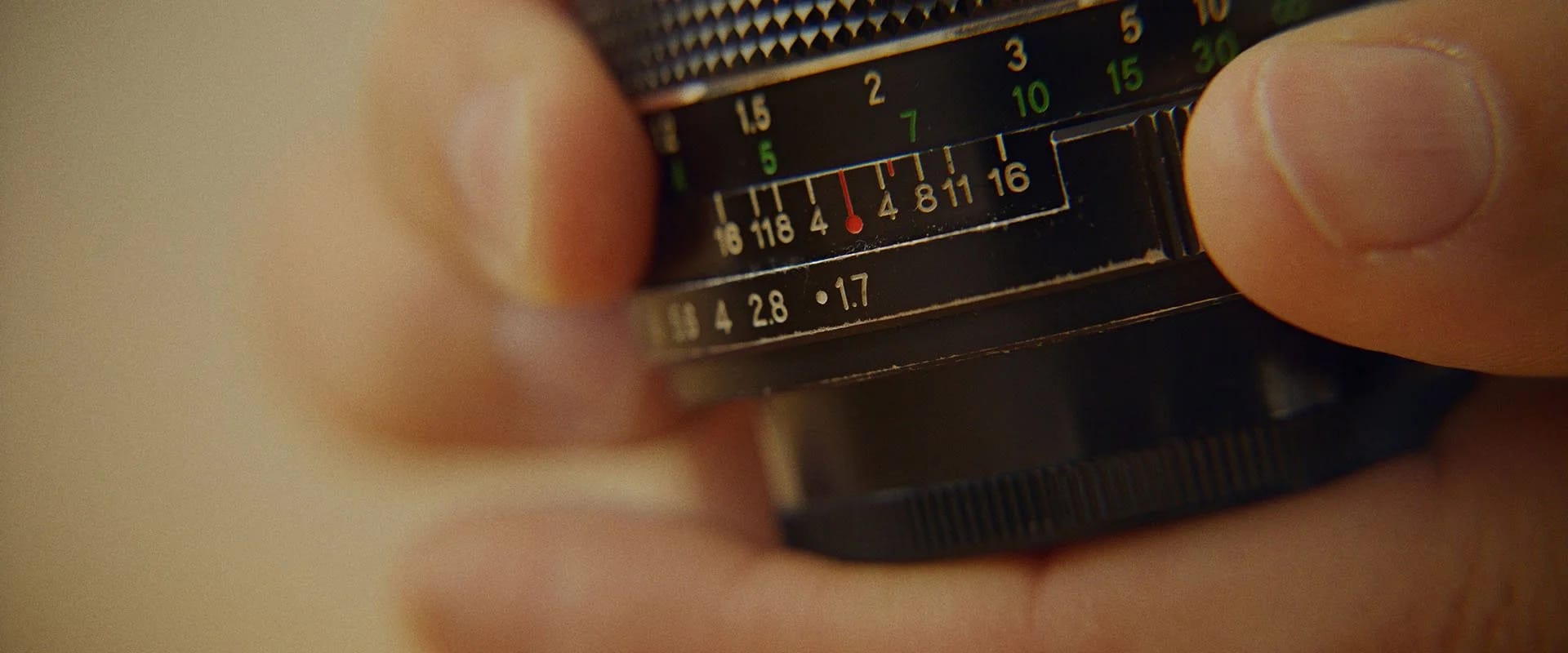
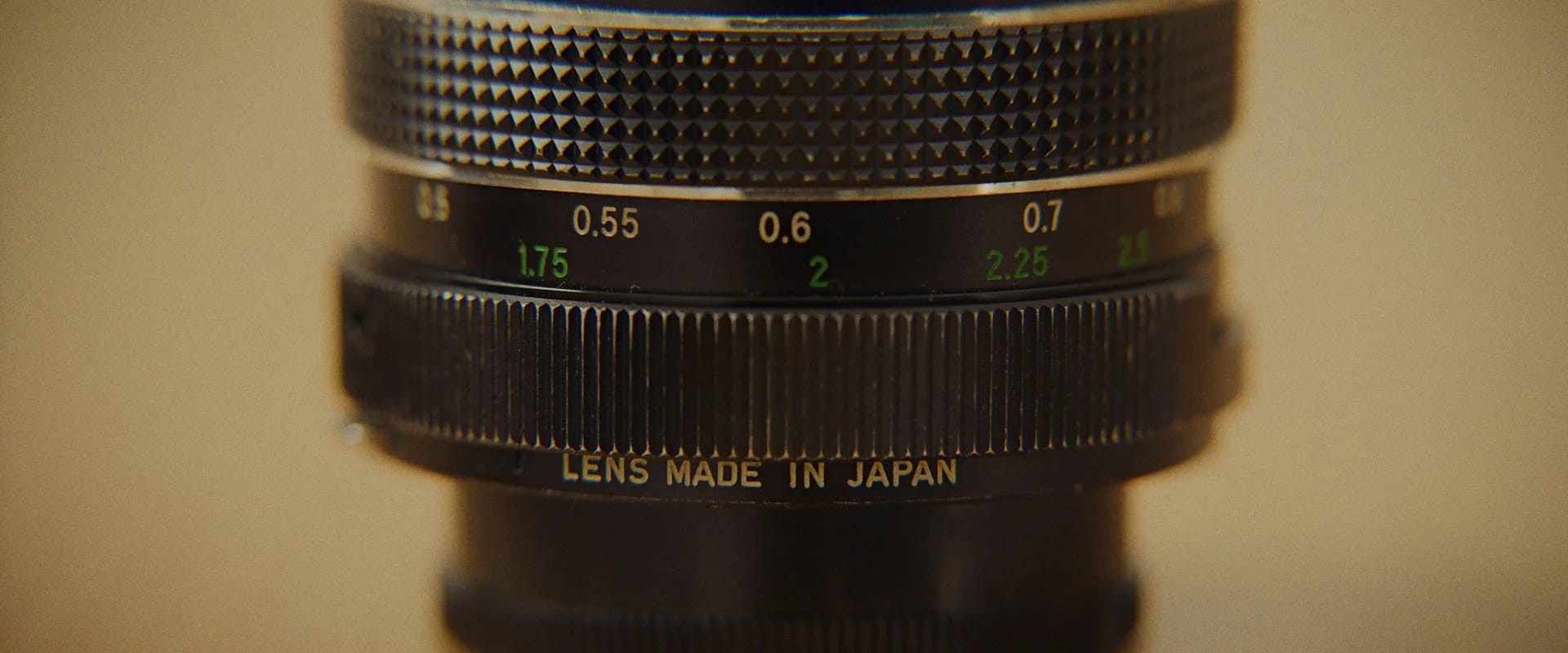
Vivitar is a Californian brand that commissioned optics from a variety of lens producers, most of which were Japanese, with some exceptions. Both lenses were made by Kiron, which was a Californian brand operating in Japan that produced higher-quality lenses for about ten years, between 1979 and 1989.
The optics are very beautiful to look at and extremely well built, with solid metal casings and very smooth rings.
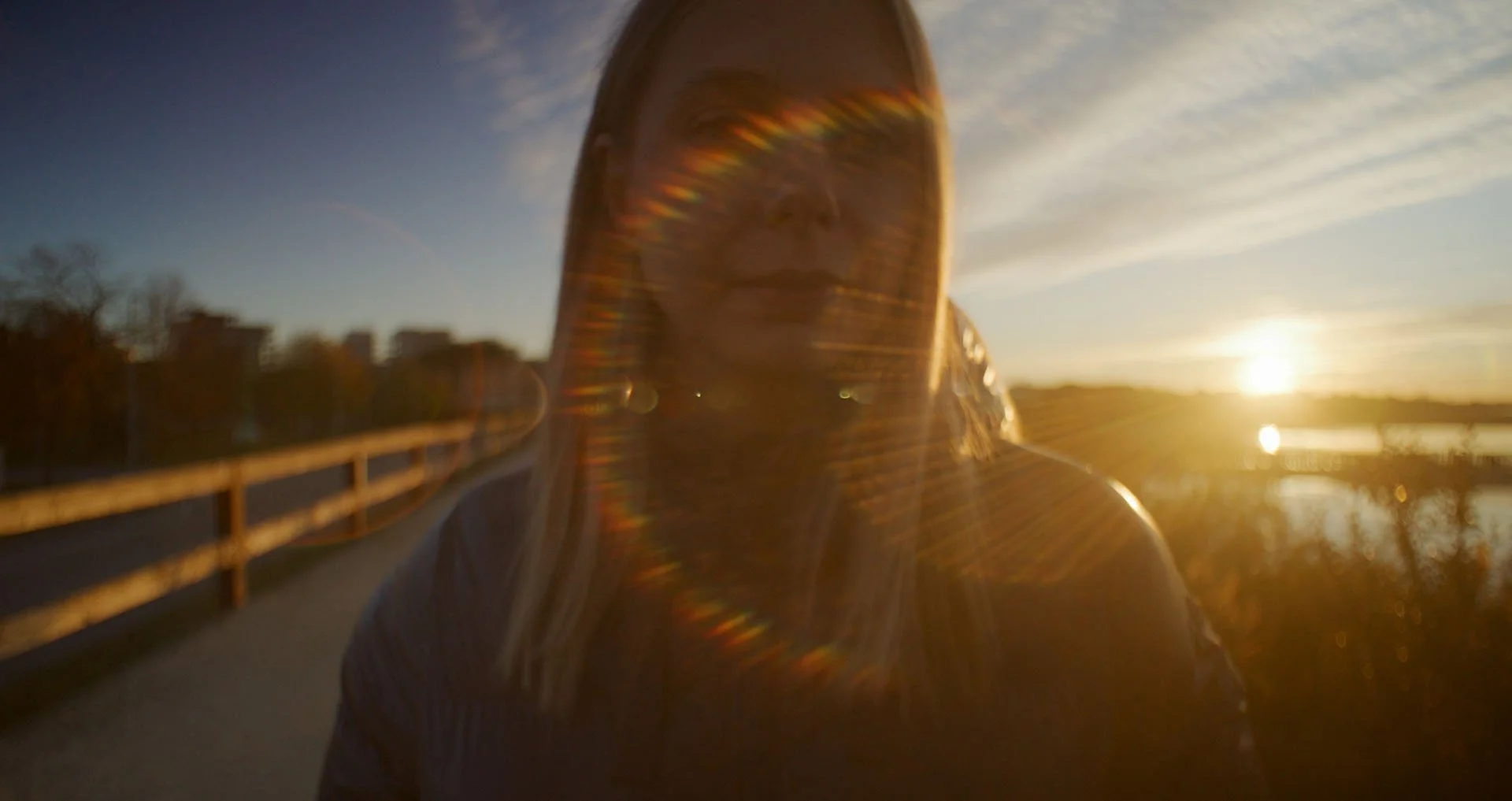
The image quality, though, is quite puzzling. The image looks a bit murky, the vignette is very strong, and the lens has quite a cold feeling. It’s almost as if it has an integrated Pro-Mist filter.
But there’s an incredible feature about this lens: it’s a macro lens, despite being a wide angle, which makes it incredibly fun to use.
When you get farther away, focus becomes less precise and the lens’s flaws become more apparent.
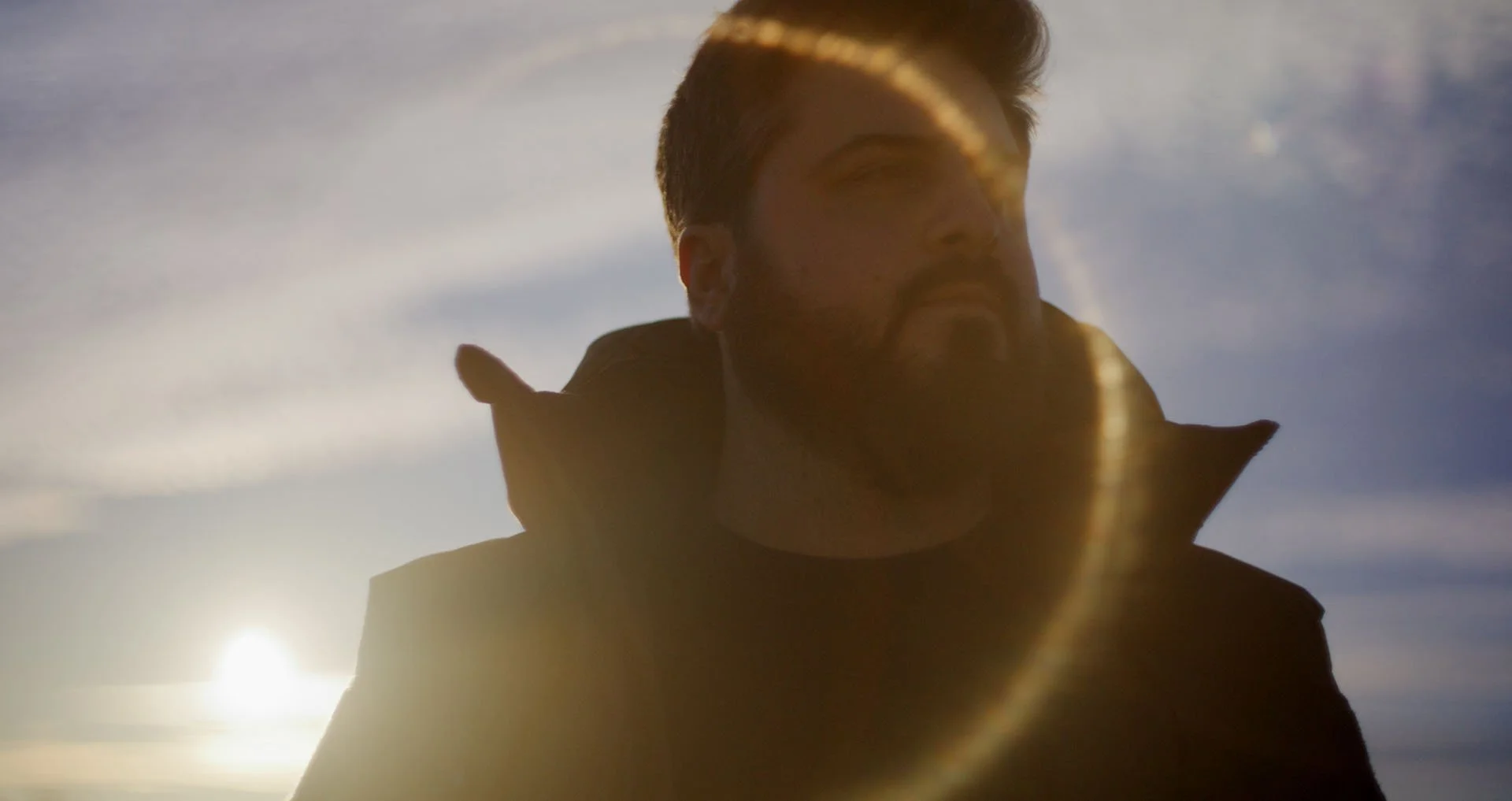
The last great feature is its flare, which is exceptionally beautiful.
All in all, the 20mm is the better lens, as it’s a bit more exaggerated and fun. The 20mm costs about €130, but the 28mm can be found for just €30 in excellent condition. Keep an eye out for them.


Helios 40-2 85mm f/1.5
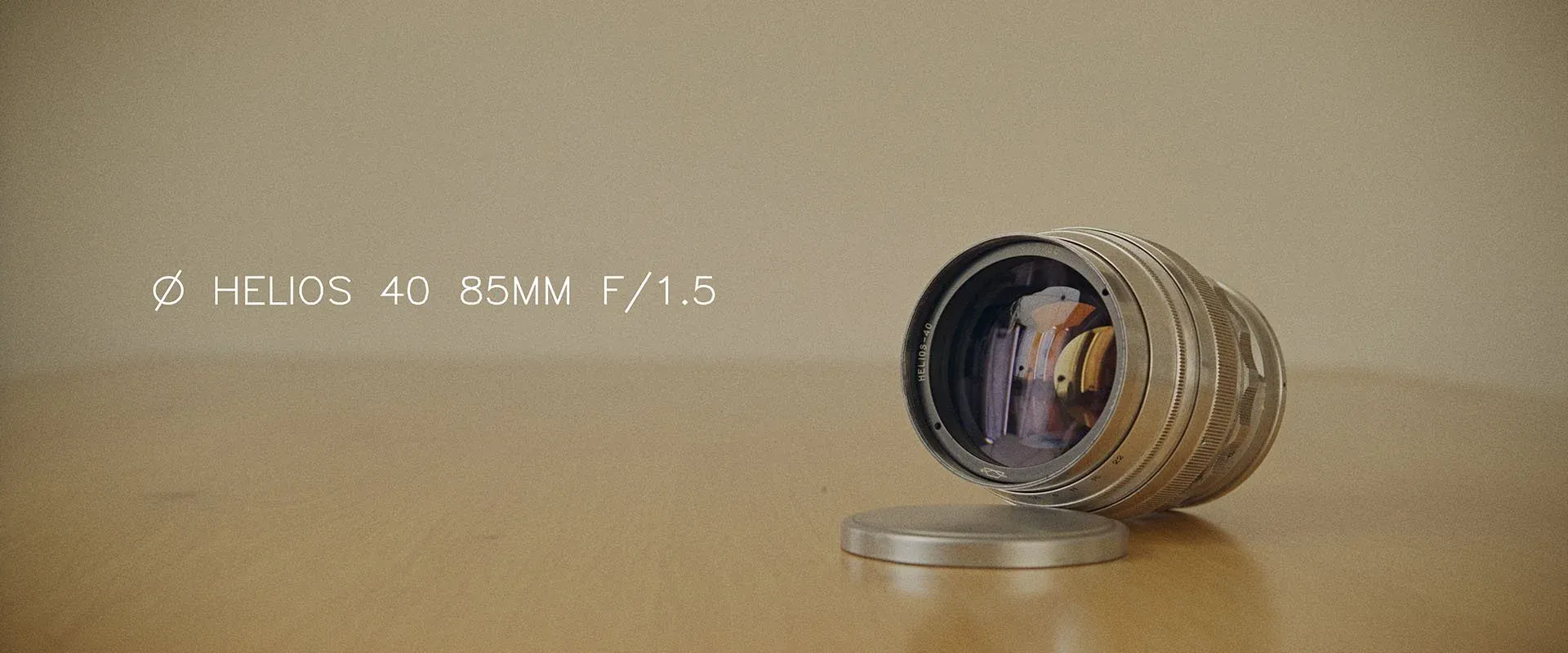
The Helios 40 is the only tele lens in the kit, and it’s the most surprising one of all. Along with the Helios 44, it’s also one of the most used lenses in modern cinema—and you can see why.
The lens is huge. It has an exceptionally wide and heavy barrel. It’s made of very sturdy metal, and its coating is slightly radioactive - apparently made with uranium, or something like that.
This particular lens was purchased from Azerbaijan, and the seller was extremely professional, even including a handwritten shipping label. The lens also came with three warm filters, which haven’t been fully experimented with yet.
This particular lens was clearly very used, and the rings are quite tough to move. It’s also the only M39 lens in the kit, which requires an extra small ring to adapt it to the RED.
Also, the front ring doesn’t seem to match any standard diameter, so filters can’t be attached to it, they have to be held by hand instead - or in a mattebox if you have one.
But regardless of all these problems, this lens is amazing. The flares, the out-of-focus areas, the tones, everything looks and feels incredible. It feels like it’s impossible to shoot anything bad with this lens.
Reflections are massive, so you need to be careful where you point it. And contrast can change wildly between slightly darker and slightly lighter areas, making it a bit of a mess to fix in color grading.
But who cares, if the image looks that good?
And that’s why this lens is the most expensive one in the kit; it costs about €400. Is it worth it? Yes, it’s worth every cent.



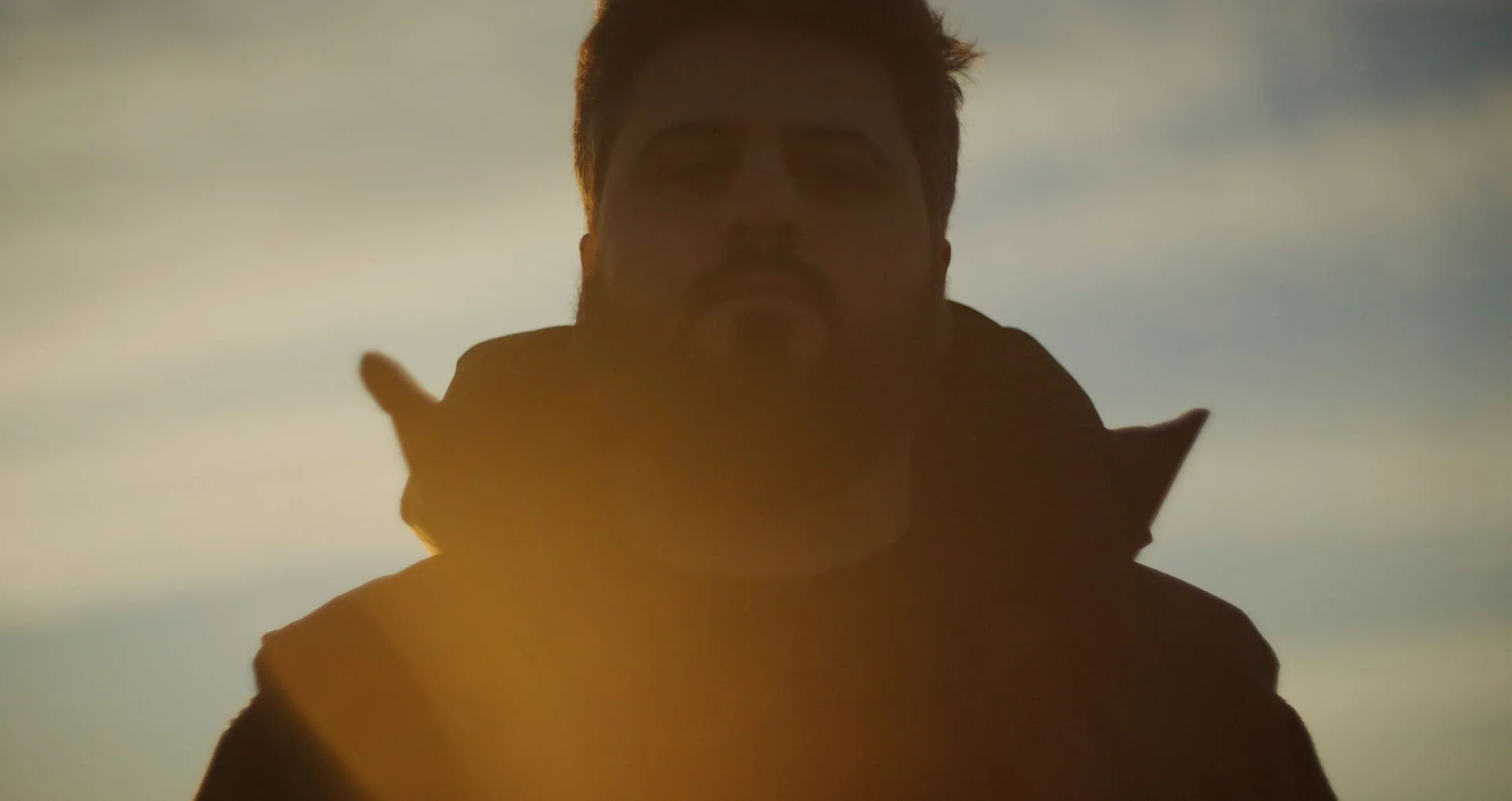

LensNode Plugin
Since shooting these videos, a new plugin has been released called LensNode, by Node Mill. The plugin allows you to emulate a wide range of different cinema lenses, and even mix and match various aspects from different lenses together. It was promoted with Lewis Potts, whose channel is highly recommended.
Although there hasn’t been a chance to experiment with the plugin yet, here are a couple of thoughts from a potential buyer’s perspective.
First off, the plugin is a great option for anyone who doesn’t want to commit to a specific style while filming, which might be a smart solution if you’re working for a client and want to keep your options open.
It’s also fairly cheap, at just €129 a year or €299 for a permanent license, which is about the price of a single vintage photo lens. That’s a sum that easily gets lost in the budget of a project.
If you go this route, the best option might be to get a solid, clean, modern lens like a DZO Pictor Zoom. Then simply apply the qualities you like. But it wouldn’t be recommended from a filmmaker’s perspective, especially if you’re still learning.
Using different lenses firsthand has its advantages, because lenses don’t always behave the way you expect them to. You have to interact with them and mediate to achieve your results and that’s much better for personal growth than just relying on a forgiving lens.
Experimenting can also lead to happy accidents, where something great happens and you’re not even completely sure why. Using old gear comes with a lot of restraints, and restraints are valuable. When you have fewer options at your disposal, your work often turns out much better.
Conclusion
Vintage lenses offer a practical and affordable way to add character to modern digital cinema.
From the sharp and reliable Carl Zeiss Jena 35mm to the dreamy swirl of the Helios 44-2 and the remarkable rendering of the Helios 40-2, each lens brings its own personality to footage.
While digital emulation plugins like LensNode offer flexibility, there’s inherent value in working with physical vintage glass: limitations and quirks of old lenses often lead to creative solutions and happy accidents that strengthen filmmaking skills.
For filmmakers seeking distinctive looks without breaking the bank, building a collection of vintage cinema lenses remains one of the most rewarding investments in the craft.